Over the next five weeks leading up to a pivotal Senedd election, I will be navigating the digital landscape through the screens of multiple brand-new smartphones. The goal? To step into the digital shoes of six entirely fictional voters and uncover exactly what social media algorithms are feeding the Welsh electorate.
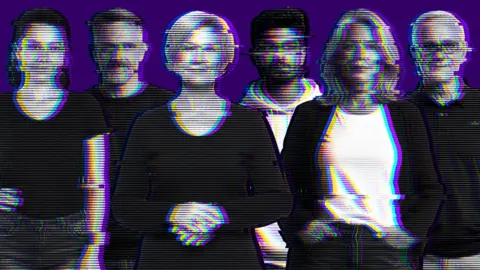

Meet Lauren, Paul, Claire, Rohan, Siân, and David. While they don't actually exist in the real world, their profiles are firmly rooted in demographic data and analysis from the National Centre for Social Research. Dubbed "undercover voters"—a concept originally pioneered by BBC social media correspondent Marianna Spring during the 2024 UK General Election—these avatars will serve as our guides through the murky waters of political algorithms.
While this isn't a flawless scientific study, tracking their highly personalized social media feeds will offer a fascinating window into the curated realities voters experience online.
As May 7 approaches, political battles won't just be fought on doorsteps and debate stages; they will be fiercely contested on screens. Algorithms are notoriously complex, ensuring that an individual's feed looks entirely different from their neighbor's based on unique online behaviors and interests.

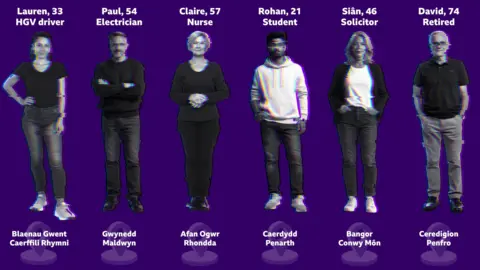

To map this digital battleground, our six undercover voters have been designed to represent diverse cross-sections of Welsh society. Spread across various constituencies with distinctly different beliefs and lifestyles, their accounts will monitor the flow of information across YouTube, Facebook, TikTok, Snapchat, Instagram, and X.
Why go to such lengths? According to Ofcom’s 2025 News Consumption Survey, a staggering 52% of adults in Wales rely on social media for their news. While traditional broadcasts remain dominant, platforms like Facebook, Instagram, YouTube, and TikTok are snapping at their heels, frequently outpacing traditional print media.
However, these platforms deliver a chaotic cocktail of content, blending verified news with influencer opinions, partisan messaging, and increasingly, Artificial Intelligence. Recent investigations revealed deepfake political content thriving on Facebook. By utilizing the most popular social apps, we can observe how the tone and factual accuracy of content shifts depending on an individual's demographic profile.
So, how exactly does this digital experiment work?
Taking NatCen’s six core voter categories—which outline age, occupation, and core beliefs—I fleshed out their personalities with realistic human interests and generated their faces using AI. Each voter was placed in a specific Welsh constituency.
Next, I set up fresh social media accounts for each profile, seeding them with basic, non-political hobbies. They remain isolated—no followers, no friends, and no outgoing posts. Instead, they operate as passive consumers, silently interacting with their feeds by liking posts, watching videos, and following pages that the algorithm suggests.
As the Senedd election draws closer, these AI-generated faces will become a regular feature in election coverage. I don't yet know what dark corners or bizarre political rabbit holes their algorithms will drag them down, but I will be watching closely to see how the digital campaign trail really unfolds.
