In the buzzy new novel Yesteryear by Caro Claire Burke, a character declares: "No one I know wants to go spend their one wild and magical life being a shill for some billionaire tech asshole." The protagonist, Natalie—a 32-year-old social media star reminiscent of real-life influencer Hannah Neeleman—retorts with a quip about breastfeeding in a broom closet. Their exchange highlights a central tension: what appears as freedom—ditching the 9-5, children frolicking in fields, meals made from scratch—is often an illusion, with finances controlled by husbands and family expectations looming large.
Yet, the world of "tradwife" influencers captivates millions. Neeleman and Nara Smith, though neither embraces the term, boast millions of followers on Instagram and TikTok. Their content has sparked viral articles, podcasts, and a surge of tradwife-themed novels, including The Trad Wife’s Secret, Trad Wife, and Everyone is Lying to You, with more on the way. This cultural moment coincides with shifting values: a recent global survey found that Gen Z males are twice as likely as baby boomers to believe wives should obey their husbands.
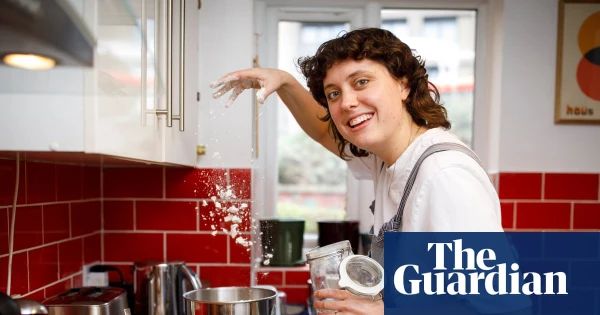
To unravel this allure, I immersed myself in tradwife content for a month—reading novels, watching videos, and even testing recipes—to explore what makes this lifestyle so compelling.
Week One: The Allure of Perfection
My journey began with Nara Smith’s highly stylized videos. The 24-year-old model, in a husky whisper, announces her child or husband’s craving, then whips up everything from Hamburger Helper to homemade bubblegum in her pristine kitchen, often dressed in couture. With children named Rumble Honey and Whimsy Lou, the aesthetic borders on camp, yet Smith’s reality—married at 18 to Mormon model Lucky Blue Smith and a mother soon after—is far from parody.
Diving deeper, I followed both Smith and Hannah Neeleman daily. Neeleman, expecting her ninth child, floated through videos in earth-toned knits, addressing controversies like Ballerina Farm’s raw milk sales. Subscribing to Smith’s "Nara’s Notes" broadcast channel, I was jolted by a notification at a pub—a photo of 16 new chicks, with a request for naming suggestions. The content was engrossing, especially Smith’s cooking tutorials, but a reminder of Neeleman’s past interview about her epidural experience—hinted as something her husband might disapprove of—pulled me back to reality. It’s easy to get lost in the rainbows, but zooming out reveals the complexities beneath the curated surface.
Week Two: Baking and Reflection
As a full-time worker married to a woman, with no children beyond a beloved cat, I don’t fit the tradwife mold. But my love for cooking offered a bridge. Bread-baking, central to the cottagecore aesthetic of tradwife content, seemed a natural start. With both Neeleman and Smith sharing focaccia recipes online, I chose Smith’s version, which mirrored my usual method but called for her branded "Roasted Garlic Algae Cooking Club Oil." Substituting regular olive oil from Asda, the dough came together beautifully.
Kneading and dimpling the dough, I found solace in the rhythmic process. In our hectic lives, the slower pace promised by these videos holds undeniable appeal. While the dough proved, I attempted Neeleman’s raspberry jam recipe, inspired by her Substack declaration: "We are a jam family." This hands-on experiment underscored the tension between the idealized domestic dream and the realities of influence, branding, and personal agency.