US authorities have apprehended an Iranian woman at Los Angeles International Airport on charges of orchestrating a multimillion-dollar arms trafficking operation to Sudan, violating American sanctions against Iran.
Shamim Mafi, 44, a lawful permanent US resident since 2016, was taken into custody on Saturday as she prepared to board a flight to Turkey. Federal prosecutors allege she brokered the sale of Iranian-made military equipment to Sudan's defense ministry, including drones, bombs, bomb fuses, and millions of rounds of ammunition.
Court documents reveal a €60 million drone contract among the transactions, with Mafi allegedly coordinating a Sudanese delegation's travel to Iran, receiving over €6 million in payments, and issuing receipts for the deals. She also submitted a letter of intent to Iran's Islamic Revolutionary Guard Corps to facilitate the sale of 55,000 bomb fuses.
"This was a deliberate effort to evade US sanctions through repeated use of informal exchange entities," said First Assistant US Attorney Bill Essayli in a statement.
Mafi faces up to 20 years imprisonment if convicted of violating US sanctions that prohibit American persons from dealing in Iranian goods or services without authorization. She is expected to make her initial court appearance on Monday.
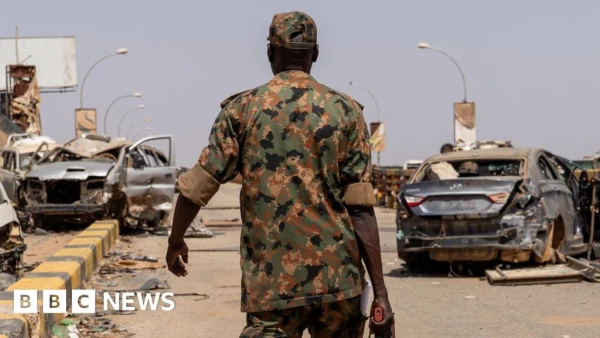
The arrest comes as Sudan enters its third year of devastating civil war between the national army and paramilitary Rapid Support Forces. The conflict has created what the United Nations calls the world's worst humanitarian crisis, with tens of thousands killed and millions displaced.
International observers have repeatedly accused foreign powers of fueling the conflict by supplying weapons to both sides. Previous investigations have documented arms from Serbia, Russia, China, Turkey, Yemen, and the United Arab Emirates being used in Sudan, with Iran also facing previous allegations of supporting the Sudanese army—claims that Sudan has denied.
The case highlights ongoing concerns about sanctions evasion and the international arms trade's role in prolonging conflicts, particularly in regions experiencing severe humanitarian emergencies.