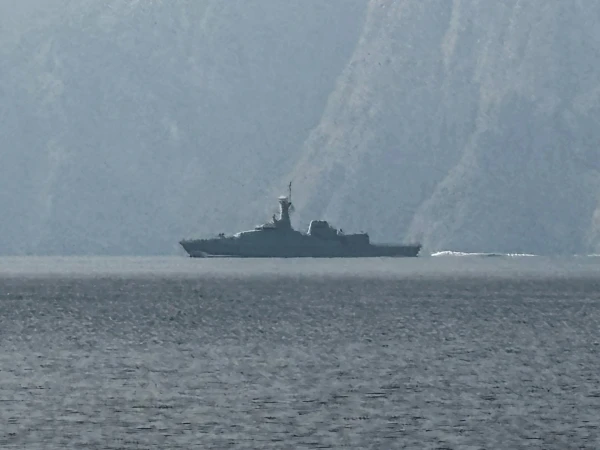
The ongoing standoff in the Strait of Hormuz has raised a critical question: how long can Iran withstand a US-imposed blockade? While Washington flexes its naval muscle, Tehran appears to have prepared for such a scenario through a combination of economic diversification, regional alliances, and asymmetric warfare tactics.
Iran has invested heavily in creating alternative trade routes, including overland corridors through Iraq and Turkey, and port developments at Chabahar to bypass the Strait. Additionally, its network of proxies and influence in Yemen, Syria, and Iraq could provide strategic depth and alternative supply lines.
Analysts suggest that Iran's survival timeline depends on the severity of the blockade and international response. A complete shutdown could cripple oil exports—Iran's economic lifeline—but Tehran's stockpiles and barter trade agreements with allies like China and Russia may buffer the blow.
Furthermore, Iran's ability to threaten maritime security through mines, speedboats, and anti-ship missiles could raise costs for the US and its partners, potentially forcing a diplomatic solution. The longer the blockade continues, the more likely regional instability grows, testing the resolve of both sides.
In sum, while the US naval dominance is undeniable, Iran's strategic patience and contingency planning could allow it to endure for months or even years, turning the blockade into a prolonged war of attrition.