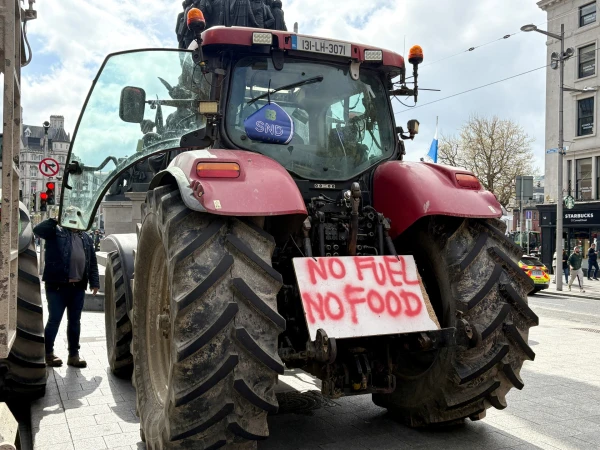
A wave of fuel price protests that has swept through the Republic of Ireland is now poised to escalate, with organizers signaling potential expansion into Northern Ireland. The demonstrations, characterized by convoys of heavy goods vehicles deliberately obstructing major roadways and critical infrastructure, represent a significant grassroots movement against soaring fuel costs.
Protest leaders have confirmed that strategic blockades could soon extend north of the border, raising concerns about cross-border trade and supply chain continuity. The planned escalation follows sustained action in the Republic, where drivers have used their vehicles to create logistical gridlock at key transport hubs, drawing public attention to the financial strain of record-high diesel and petrol prices.
"The cost of fuel is crippling our industry and our communities," one protest coordinator stated. "This is not just a transport issue—it affects the price of every good delivered and every service provided. We are prepared to take this message across the island if necessary."
The potential northward movement of the protests introduces a new political dimension, potentially testing coordination between authorities in Dublin and Belfast. Analysts suggest the unrest stems from a combination of global energy market volatility, post-pandemic economic pressures, and specific national tax policies on fuel.
As convoys continue to mobilize, the focus remains on whether government interventions will address the core grievances or if the disruptive demonstrations will indeed forge a new, all-island front in the battle over energy affordability.