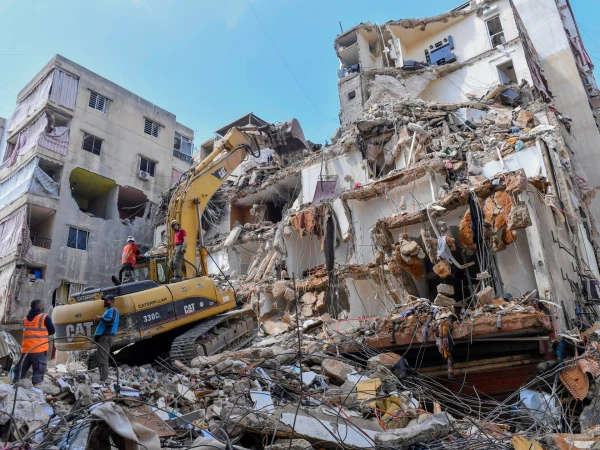
Israel has firmly rejected a ceasefire with Hezbollah ahead of scheduled diplomatic talks with Lebanon next week, as renewed military strikes in southern Lebanon resulted in at least 10 fatalities, including three emergency responders.
Israeli officials confirmed the stance, stating that negotiations will proceed without any preconditions for halting military operations. "We will not pause our defensive actions while Hezbollah continues to pose a threat," an Israeli spokesperson said, emphasizing that the upcoming discussions will focus on long-term security arrangements rather than immediate de-escalation.
The latest Israeli attacks targeted Hezbollah positions in southern Lebanon, but also struck civilian areas, leading to significant casualties. Among the dead were three emergency workers who were responding to initial strikes when a second attack occurred. Local health authorities reported multiple injuries and extensive damage to infrastructure.
Hezbollah has vowed retaliation, accusing Israel of deliberately targeting rescue personnel. "This aggression will not go unanswered," a Hezbollah statement read, warning of "severe consequences" for what it called a violation of international humanitarian law.
International observers have expressed concern about the timing of the violence. "With talks scheduled, this escalation undermines diplomatic efforts," a UN official noted, urging both sides to exercise restraint. The United States and European Union have called for an immediate reduction in hostilities to create conditions conducive to productive negotiations.
The diplomatic talks, set to begin next week under UN mediation, aim to address border security and the implementation of UN Security Council Resolution 1701, which ended the 2006 war between Israel and Hezbollah. However, with Israel's rejection of a ceasefire and Hezbollah's pledge of retaliation, prospects for a breakthrough appear increasingly uncertain as violence continues to claim lives on both sides of the border.