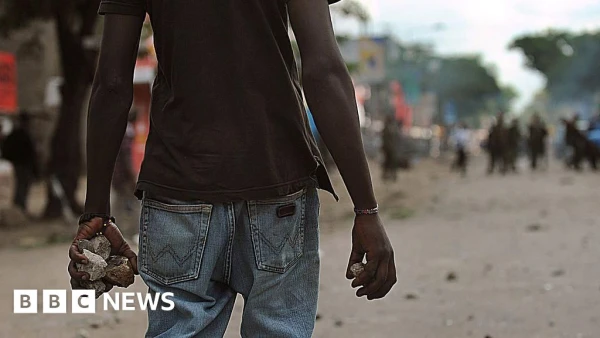
A surge of politically motivated attacks by hired gangs is fueling fears of a return to widespread violence in Kenya, as the country gears up for a tense electoral cycle despite the next nationwide vote being over a year away.
Last month, in the western city of Kisumu, Senator Godfrey Osotsi was ambushed by a group of hooded youths who punched and kicked him, stole his valuables, and fled—an assault captured on CCTV that sparked national outrage. Osotsi claims the attack was politically motivated, with his assailants questioning why he wasn't backing the president's reelection bid.
The incident prompted Kenya's parliament to summon top security chiefs. Interior Minister Kipchumba Murkomen admitted the government is struggling to contain what he described as "sophisticated and decentralized networks" of criminal gangs, many with political backing.
"The gangs are owned by political leaders who play a significant role in mobilizing people. It is chaotic. An irresponsible leader is a threat to national security," Murkomen told a parliamentary committee, without naming names.
More than 104 criminal gangs are active nationwide, according to government data. Police have arrested over 300 suspects and recovered weapons, but no politicians have been detained.
The problem is not new. Politically sponsored gangs have been a feature of Kenyan elections since the early 1990s, peaking during the 2007 post-election violence that left about 1,500 dead. Now, with impeachment fueling a grudge from former Deputy President Rigathi Gachagua, who plans to run for president, and a split within a major opposition party, tensions are high.
Gachagua himself has been attacked over two dozen times at churches, incidents he and his allies blame on state-backed networks trying to derail his bid. Government spokesperson Isaac Mwaura denies state sponsorship, vowing that anyone found financing or engaging in such acts will be held accountable.
Opposition leaders and civil society groups accuse police of collusion or turning a blind eye. In February, a 28-year-old man was shot dead during clashes between police and anti-government protesters. In November, by-elections were marred by violence, including attacks on polling agents and armed clashes during vote counting.
Security analyst Robert Chege says these incidents "paint a troubling picture of a country where political rivalry increasingly spills into organised street violence executed by hired gangs operating with precision and impunity."
Prof Makau Mutua, a legal expert and presidential adviser, warns this has become "a near norm carried out by all major political parties," calling it "a Kenyan culture, an epidemic."
A recent state-funded report found hundreds of gangs operating, with over 120 linked to politicians, concluding these groups are no longer temporary but entrenched community institutions. Police Inspector General Douglas Kanja told parliament that security agencies have identified those behind the chaos and are taking the matter seriously.