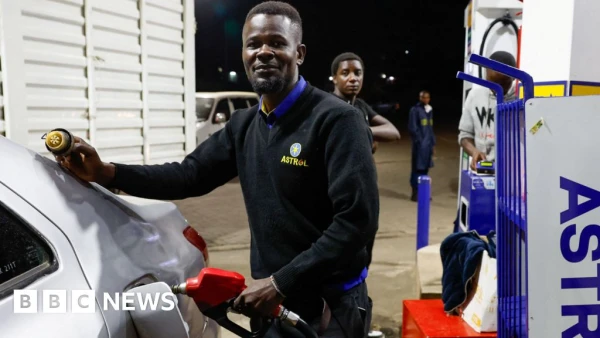
Kenya is grappling with a severe fuel crisis as petroleum prices skyrocket, despite government efforts to cushion consumers through tax reductions. The Energy and Petroleum Regulatory Authority (Epra) announced sharp increases, with diesel climbing by 40 Kenyan shillings to 206 shillings per liter and petrol rising by 28 shillings to a similar level. These adjustments reflect soaring global oil and shipping costs, exacerbated by the ongoing conflict involving Iran.
The new prices will remain in effect until May 14, when the next review is scheduled.
Fuel shortages have emerged in various parts of the country, though authorities maintain that national stocks are adequate. The government has accused some fuel companies of hoarding supplies, adding to the strain on consumers.
The situation is further complicated by controversy over a recent fuel consignment. Reports indicate that a shipment imported outside official government-to-government agreements—allegedly at a higher cost and of substandard quality—may have entered the market after being blended with stocks in government storage tanks. This has sparked public outrage and calls for accountability.
In response, the government stated it canceled the consignment due to quality and cost concerns and prohibited oil marketers from selling it. The incident led to the arrest and resignation of senior energy officials, with investigations ongoing. Epra clarified that the disputed consignment was not factored into the latest price calculations.
The global fuel crisis, triggered by the US-Israel conflict with Iran that began on February 28, continues to impact markets worldwide. A conditional two-week ceasefire signed last week included provisions to reopen the Strait of Hormuz, a critical shipping route for oil and gas, but shipments through the strait have largely stalled since the war's onset.
Countries across Africa are implementing measures to mitigate the crisis. Kenya's reduction of value-added tax on fuel from 16% to 13% is set to last until July. Similarly, South Africa recently enacted a one-month fuel levy cut, while Zambia, Namibia, Ghana, South Sudan, and Ethiopia have introduced various strategies, including electricity rationing and sector prioritization, to address energy challenges.