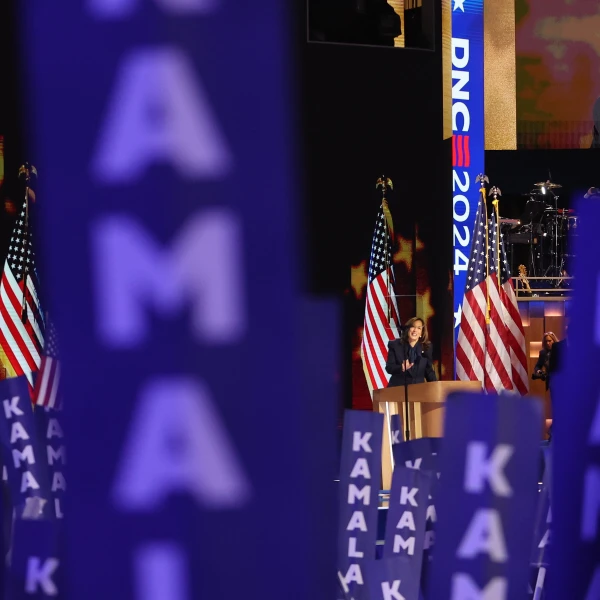
In a series of letters to the editor, readers dissect the Democratic Party's autopsy of the 2024 election and offer stark advice for 2028.
On the Autopsy's Blind Spots
Peter Muller of Wilmington, Del., argues that the Democratic National Committee's report sidesteps two obvious factors: race and gender. "In a country still struggling with sexism and racism, Kamala Harris also had to contend with all of the challenges that the report does manage to identify," he writes. Muller notes that Donald Trump has only won elections against women and cautions that Democrats need a candidate "fit for the time and place we're actually living in."
Samuel A. Turvey of Leonardo, N.J., criticizes the party for issuing a report that ignores Gaza and President Biden's age. He calls for a broader post-mortem that includes elected leaders like Jamie Raskin and Mikie Sherrill, and a clear commitment on key issues such as Gaza, Ukraine, immigration, reproductive freedom, and gun safety.
On Choosing the Right Candidate
James Jordan of Falls Church, Va., praises Nobel economist Richard Thaler's analysis, which warns against Democrats picking a candidate based on personal inspiration rather than electability. Jordan says the nominee must speak to economic insecurity and institutional drift, and must understand governing. "The next president will be chosen by independents and crossover voters, not by the most ideologically committed primary participants," he writes.
A Voice on Loneliness and Friendship
In a separate letter, Ninio Fetalvo of Washington responds to a column about being unhappily single at weddings. Having attended 50 weddings as a single man in his 30s, he acknowledges the loneliness but argues that weddings are communal milestones. "Part of adulthood is learning how to hold two emotions at once: happiness for someone else and sadness for yourself," he writes. He urges attending despite the discomfort, because "withdrawing from moments that create connection rarely cures" loneliness.