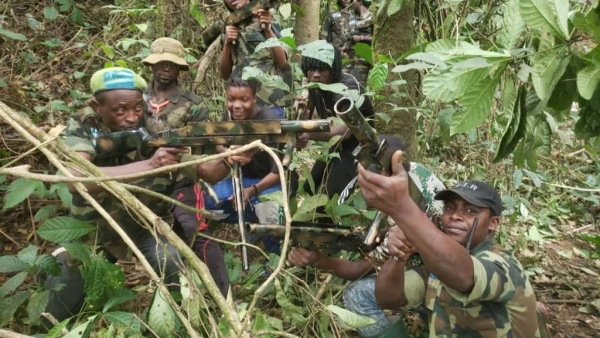
A decade after protests erupted in Cameroon's English-speaking Northwest and Southwest regions, former separatist fighters who have laid down their arms find themselves trapped between hiding from authorities and facing neglect in government rehabilitation programs.
The conflict, which escalated into an armed struggle in 2016 following protests by Anglophone lawyers and teachers against Francophone integration, has killed thousands and displaced hundreds of thousands. While the government continues a military campaign alongside a new community dialogue initiative urging rebels to surrender, many former combatants are choosing independent reintegration out of fear.
Collins Mbah, a former separatist known as "Commander No Sorrow" who now works as a traditional healer in Douala, refused to join the government’s Disarmament, Demobilisation and Reintegration (DDR) programme. "Quitting the struggle and joining the government disarmament programme would have meant I betrayed the people," Mbah said. Living without a national identity card, he remains on a government wanted list and constantly changes locations to avoid arrest.
Other former fighters share similar anxieties. Peter Mosongo, a former rebel who now works as a motorcycle taxi driver in Buea, avoided the DDR system over fears of imprisonment or retaliation. Richard Bende, who left the insurgency in 2019 to work as a secondary school teacher, also bypassed the official program due to concerns over how ex-fighters are treated.
Meanwhile, those who did enter government centers report broken promises. Paul Mukete, who spent six years in a DDR facility in Tiko after fighting in Kumba, said he received no psychological support and was left to rely on odd jobs and basic farming skills.
Mental health specialists warn that the lack of comprehensive psychological care in DDR facilities leaves former combatants ill-equipped to process wartime trauma, risking further instability as long as their integral welfare is sidelined for political optics.