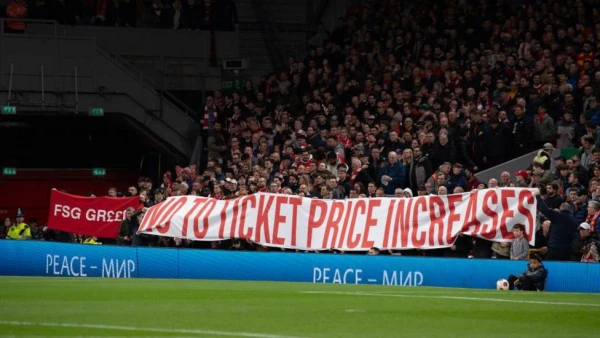
Liverpool supporters are taking a stand against the club's unprecedented decision to raise ticket prices for three consecutive seasons, launching a boycott campaign that could have ripple effects across English football.
As the Reds prepare to face Fulham this weekend, the Spirit of Shankly supporters' group has called for fans to avoid stadium concessions through their 'not a pound in the ground' initiative. Instead, they're urging supporters to patronize local businesses around Anfield in protest of what they describe as the club ignoring "clear, overwhelming opposition" from its fanbase.
"Fans do not accept this decision. And if the club's owners won't listen, then we make them," the group declared. "This is no longer about consultation. That opportunity has been and gone. This is about action."
The controversy stems from Liverpool's announcement that ticket prices will increase in line with the Consumer Price Index for inflation over the next three seasons. For the upcoming campaign, season tickets will rise by £21.50 to £27, while individual match tickets will increase by £1.25 to £1.75. By 2028, some supporters could be paying approximately £100 more for their season tickets.
This marks the first time a Premier League club has pre-announced multi-year price increases, setting a concerning precedent according to football observers. Liverpool defended the move by citing soaring operational costs, noting that matchday expenses have surged 85% since 2016-17, with utility costs jumping 107% and business rates skyrocketing 286% over the past four years.
However, critics question the timing and necessity of the increases. Former Liverpool CEO Christian Purslow expressed skepticism on The Football Boardroom podcast, stating: "Alienating your traditional, most hardcore fans? I think it's bad business. I'm not sure why a team that is making £700m of revenue needs the extra money."
The protest strategy appears calculated—Liverpool fans successfully forced the club to reverse a 2016 price hike through organized walkouts. Now, their latest campaign has drawn attention from supporters of other clubs who fear similar policies might spread.
Thomas Concannon of the Football Supporters Association warned: "It is a concern because we know the clubs talk to each other and set their prices based on what others are doing. Knowing that prices are going up for three years is particularly worrying in terms of engagement—is dialogue effectively being removed from the agenda for the next three years?"
Ticket-related protests have become increasingly common across Premier League stadiums in recent years. Manchester United and Manchester City supporters have objected to seating relocations to accommodate premium hospitality areas, while Tottenham Hotspur and Nottingham Forest fans have protested reductions in concession pricing for younger and older supporters.
Concannon emphasized the broader implications: "Protests are becoming a more common thing and that can't be good for the league. Fans are protesting because things are changing in football and not for the good of the supporters. Supporters should get behind this, whether you're a Liverpool fan or not. We must protect what is ultimately ours."
As Liverpool's protest movement gains momentum, it raises fundamental questions about football's direction—whether clubs prioritize their communities or view supporters primarily as revenue streams in an increasingly commercialized sport.