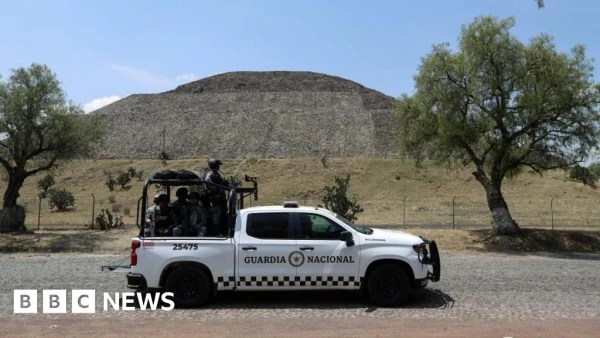
A serene morning at Mexico's iconic Teotihuacán archaeological site turned into a scene of terror on Monday when a lone gunman opened fire from atop the Pyramid of the Moon, killing a Canadian tourist and injuring visitors from multiple countries before taking his own life.
Mexican authorities have identified the attacker as 27-year-old Julio César Jasso Ramírez, a Mexico City resident who acted independently without connections to organized crime. Attorney-General José Luis Cervantes Martínez stated, "The aggressor planned and carried out the attack on his own. There is absolutely no indication of external help or involvement from other individuals."
Investigators made a chilling discovery among the gunman's possessions: literature and materials referencing the 1999 Columbine school shooting in the United States, which occurred exactly 27 years earlier. Witnesses reported hearing the attacker mention Columbine during the assault.
Attorney-General Cervantes described the evidence as pointing to "a psychopathic profile characterized by copycat behavior—a tendency to imitate violent situations from other places and times."
"This represents a moment of transition, a very unfortunate and worrying one, toward imitation of the mass killing phenomenon we see regularly in the United States," said Valeria Villa, a Mexican family therapist with decades of mental health experience.
The incident marks a departure from Mexico's typical violence patterns, which predominantly involve drug cartel conflicts. While the country has experienced horrific cartel violence in recent months—including attacks by the Jalisco New Generation Cartel—authorities emphasize this pyramid shooting represents an entirely different category: lone assailant mass violence.
The timing creates particular concern as Mexico prepares to co-host the FIFA World Cup beginning June 11 in Mexico City. The attack on international tourists at a major archaeological site has raised safety questions among prospective visitors.
President Claudia Sheinbaum extended sympathies to victims and their families while attempting to reassure tourists about security measures. Her administration points to declining homicide rates—44% lower in February 2026 compared to September 2024—as evidence of improved safety.
However, critics argue that murder statistics don't capture Mexico's full security challenges, including thousands of unresolved disappearances.
The Teotihuacán shooting follows another unusual incident just three weeks earlier, when a teenager killed two teachers with an assault rifle at a Michoacán school. Mental health experts suggest these events may indicate a troubling new trend in Mexican society, influenced by both desensitization to existing violence and imitation of foreign mass shooting patterns.
While Mexico has strict gun control compared to the United States, weapons remain accessible through black markets, with most firearms smuggled across the northern border. The combination of available weapons, societal desensitization to violence, and copycat influences creates what experts describe as a dangerous new dynamic in a country already grappling with security challenges.