A new study reveals that low-income households in London face a hidden "poverty premium" exceeding £600 a year for essential goods and services. The research, conducted by Fair by Design and funded by Trust for London, found that families in Peckham pay an average of £493 more annually than wealthier households for identical items, with the gap widening to over £600 in the worst-affected areas.
The largest contributor is food shopping, with 39% of families relying on local convenience stores instead of larger supermarkets with more competitive pricing. Other factors include higher costs for high-interest credit and non-direct debit billing for utilities. For example, prepayment meter users pay £129 more annually than those on competitive fixed direct debit tariffs, and drivers in deprived postcodes face an extra £153 on motor insurance.
Manny Hothi, CEO of Trust for London, urged regulators to address how their markets affect people in poverty, calling it essential to "end the unfairness of people having to pay more because they pay monthly or don't sign up to direct debit."
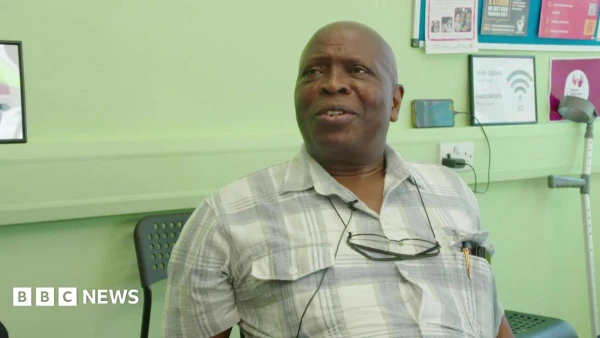
At a free cafe in Peckham run by charity Pecan, visitor Josiah Lahai shared his struggle: "I go to the supermarket and there are certain things I want but I can't buy them." Doreen Davies, community engagement officer at Pecan, noted that rising rents are forcing families to relocate away from established networks.
Labour MP Miatta Fahnbulleh, who represents Peckham, acknowledged the cost-of-living crisis but pointed to a £150 energy bill reduction and a £39bn investment in social housing. Conservative MP Julia Lopez criticized London's housing record under Mayor Sadiq Khan, stating housing starts have dropped 84%.
A government spokesperson emphasized efforts to reduce poverty, citing a £1bn crisis and resilience fund, a 5% rise in household incomes, and reduced food bank usage. Policies include removing the two-child benefits limit and raising the minimum wage.