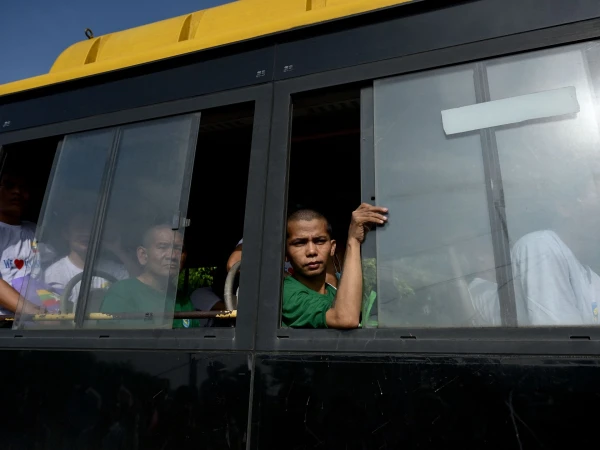
Malaysia has announced plans to forcibly return thousands of Rohingya refugees to Myanmar, defying a recent International Court of Justice (ICJ) ruling that found Myanmar’s military committed genocide against the ethnic minority. The decision, disclosed by government officials on Wednesday, marks a stark reversal in Malaysia’s long-standing policy of sheltering refugees fleeing persecution.
The move comes just five days after the ICJ issued its landmark judgment, which confirmed widespread atrocities—including mass killings, sexual violence, and systematic oppression—perpetrated by Myanmar’s security forces against the Rohingya population. The court ordered Myanmar to take immediate measures to prevent further genocide, but the ruling has not deterred Malaysian authorities from proceeding with deportations.
"We are committed to upholding our immigration laws," said a spokesperson for Malaysia’s Home Ministry, adding that the government would no longer tolerate the presence of undocumented refugees. "The safety of our citizens remains our top priority."
Human rights advocates have condemned the decision, warning that returning the refugees to Myanmar could expose them to further violence and persecution. "This is a betrayal of international law and basic humanitarian principles," said a representative from the Rohingya Human Rights Network. "The ICJ’s ruling should have prompted Malaysia to reconsider its stance, not double down on cruelty."
The planned deportations are expected to affect over 3,000 Rohingya refugees currently living in Malaysia, many of whom have fled Myanmar’s Rakhine State in recent years. The announcement has sparked outrage among activists, who argue that Malaysia is violating its obligations under international refugee law.
Critics also point to Malaysia’s own history of human rights violations, including the detention of undocumented migrants in overcrowded and unsanitary facilities. "Malaysia’s hypocrisy is glaring," said a local activist. "They claim to protect their borders while ignoring the suffering of those who have already endured unimaginable horrors."
The government has not yet specified a timeline for the deportations, but officials have indicated that the process will begin within the next two months. Meanwhile, the United Nations High Commissioner for Refugees (UNHCR) has called on Malaysia to halt the deportations and ensure the safety of the refugees.
The ICJ’s ruling has intensified global pressure on Myanmar, but it has also exposed the fragility of international commitments to protect vulnerable populations. As Malaysia prepares to send Rohingya refugees back into harm’s way, the world watches to see whether justice will prevail—or whether the cycle of violence will continue unchecked.