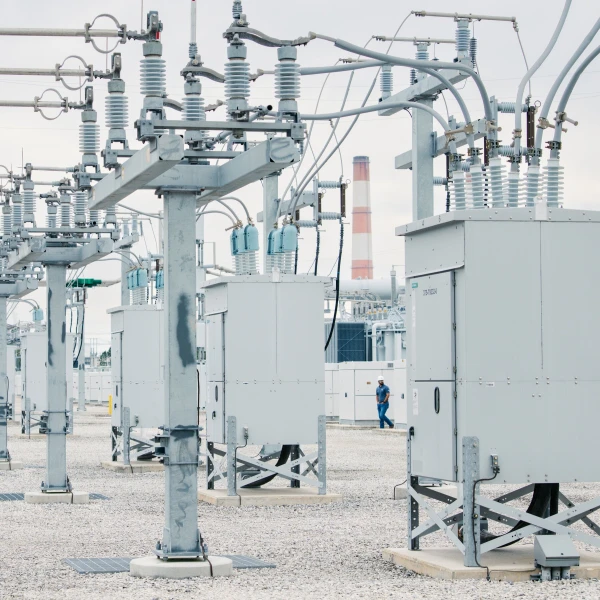
The U.S. is on the cusp of a power supply transformation, with a wave of colossal battery storage projects poised to reshape the nation’s energy landscape. These high-capacity systems, capable of storing vast amounts of electricity for hours or even days, are set to become the backbone of a more resilient and flexible grid—one that can absorb surges from renewable sources and release power during peak demand.
Industry leaders and policymakers are hailing the developments as a critical step toward energy independence, reducing reliance on fossil fuel plants and mitigating the volatility of wind and solar generation. "We’re moving from a system that burns fuel to one that stores it," said one energy executive familiar with the projects. "This isn’t just about backup power—it’s about unlocking the full potential of clean energy."
The push comes as the federal government ramps up funding for grid modernization, with the Department of Energy recently approving over $3 billion in grants for battery storage initiatives across 17 states. Among the most ambitious is a 1,200-megawatt facility in California, which will be one of the largest in the world once completed. Developers say the project alone could power more than 200,000 homes during peak hours.
Critics, however, warn of challenges, including high upfront costs and the need for robust infrastructure to support such large-scale deployments. "The technology is here, but the scale and speed of adoption will determine whether we meet our goals," noted a utility regulator from Texas, where grid strain has become a recurring concern.
As the nation grapples with extreme weather events and shifting energy demands, the battery revolution offers a glimmer of hope. For the first time, utilities are not just reacting to shortages—they’re preparing for a future where energy is abundant, clean, and, above all, reliable.