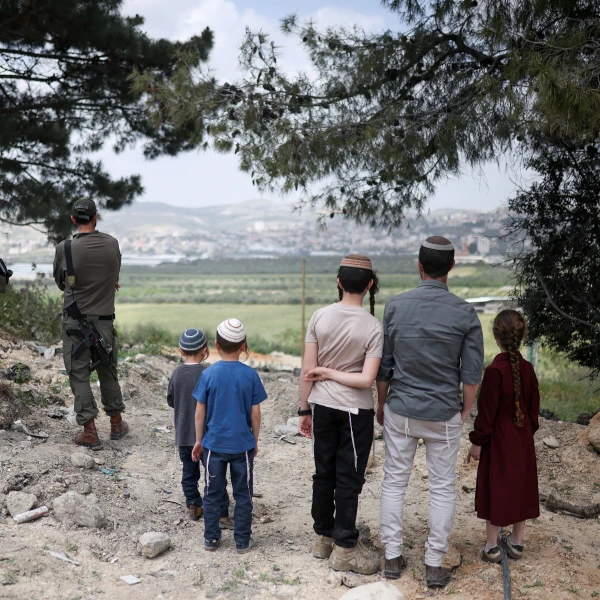
In a significant development for Middle Eastern geopolitics, diplomatic efforts are intensifying to address the complex web of regional conflicts and alliances. The situation highlights the delicate balance between military strategy and political solutions in one of the world's most volatile regions.
Recent discussions have focused on the multifaceted challenges facing various nations, with particular attention to security concerns and international relations. "The current landscape requires nuanced approaches that consider both immediate threats and long-term stability," noted one regional analyst. "There are no simple solutions when multiple actors have competing interests."
Key diplomatic channels have been exploring pathways to de-escalation while addressing fundamental security needs. The evolving dynamics reflect broader shifts in how global powers engage with Middle Eastern affairs, moving beyond traditional frameworks toward more flexible arrangements.
Economic factors increasingly influence these diplomatic calculations, as regional development intersects with security considerations. Several nations are balancing domestic priorities with international obligations, creating complex negotiation environments where progress often comes incrementally.
Observers point to the interconnected nature of regional issues, where developments in one area frequently impact neighboring situations. This interdependence makes comprehensive solutions challenging but has also created opportunities for creative diplomatic initiatives that address multiple concerns simultaneously.
The coming months will likely see continued diplomatic activity as various stakeholders work to establish sustainable frameworks for regional cooperation and conflict resolution.