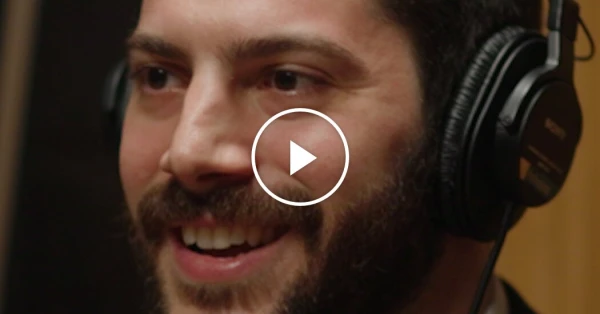
A super PAC funded by co-founders of Palantir, OpenAI, and venture capital firm Andreessen Horowitz has poured millions into attack ads opposing New York State Assemblyman Alex Bores's congressional campaign, revealing what critics call a stark contradiction between the tech industry's public statements and its political actions.
On "The Ezra Klein Show," Bores detailed how the PAC has already spent $2.5 million against his bid, with suggestions it could reach $10 million. This comes despite public declarations from key figures like OpenAI co-founder Greg Brockman, who has stated that being "pro-A.I. does not mean being anti-regulation" and advocates for "thoughtful" policies to balance benefits and risks.
"If they really, truly believed in having one national framework that regulates A.I. and balances the benefits and risks, they'd be supporting me," Bores said. "I think it's a difference between what they say for marketing purposes and what they actually believe, and their actions portray that."
The assemblyman pointed to OpenAI's recent policy document that includes some alignment with his positions, such as third-party audits and safety testing, but noted critical differences in emphasis and timing.
"They did say they wanted third-party audits. But sometime in the future. I think we're already there," Bores observed. "And there was much more of an emphasis on society dealing with the problems after the fact as opposed to restrictions on the developers."
Bores expressed concern that at the precise moment when AI's growing power demands regulatory attention, the industry's financial resources enable political opposition reminiscent of previous tech sectors.
"At the exact moment that A.I. is becoming so powerful that it would be irresponsible for Congress to not be starting to construct regulations, legislative structures, transparency, the A.I. industry now has so much money that, much as crypto did before it, it's able to create a kind of super PAC that has a Death Star-like capability," he warned.
The conflict highlights growing tensions between tech companies' public support for AI governance and their political spending to oppose candidates advocating for regulatory frameworks.