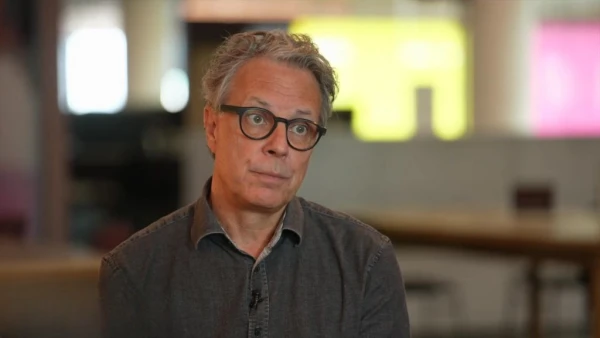
Ian Russell, whose daughter Molly died at age 14 after viewing harmful online content, has expressed dismay over reports that the UK government plans to ban young people from certain social media platforms. He argues that blanket bans are a blunt instrument that would create more problems.
Prime Minister Sir Keir Starmer is expected to announce a crackdown on children's access to social media next week. Speaking to the BBC's Laura Kuenssberg, Russell said the process had been rushed for political reasons, calling it "deplorable."
A Downing Street spokesperson responded: "We have undertaken a thorough consultation and will set out next steps in due course. The prime minister has been clear that the status quo is not good enough and we need to do more to protect children. This is not about politics - it is about protecting children."
Ministers have considered options including an Australia-style blanket ban on under-16s accessing social media, though details remain unconfirmed. Some reports suggest a ban on "high-risk" platforms for under-16s, with restrictions on safer ones.
Russell, who has campaigned for better online protections since Molly's death in 2017, said he would be "dismayed" if such restrictions were announced. He recalled meeting Starmer last year, when the then-opposition leader promised to tighten online safety. "He promised me he would look into effective solutions," Russell said, "but as we sit here on the verge of this announcement, it seems he's not kept either of those promises."
Russell also highlighted new research from the Molly Rose Foundation showing that 47% of girls see high-risk harmful content on social media in a week, and that the Online Safety Act has done little to reduce exposure—from 37% to 34%.
He criticized Ofcom, the media regulator, for being "too timid" and achieving "nothing much at all" in its first year of enforcement. In response, Ofcom said it had driven "some of the strongest changes of any online safety regulation in the world" and acknowledged the job was far from done.
The government has also announced a £132.5m funding boost for after-school clubs aimed at helping children "beat isolation online and build connections in the real world."