NATO has clarified that there is no mechanism to suspend or expel member states, following a report that the U.S. could move to suspend Spain over its Iran war stance. The alliance's founding treaty "does not foresee any provision for suspension of NATO membership, or expulsion," a NATO official told the BBC.
The clarification came after Reuters, citing a U.S. official, reported that an internal Pentagon email suggested measures to punish allies deemed insufficiently supportive of the U.S. campaign against Iran. The email also proposed reassessing U.S. support for the UK's claim to the Falkland Islands, which Argentina also claims.
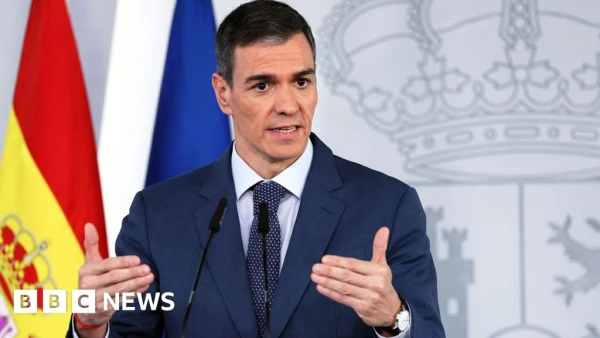
Spanish Prime Minister Pedro Sánchez dismissed the report, saying, "We do not work based on emails. We work with official documents and official positions taken, in this case, by the government of the United States." He emphasized Spain's commitment to full cooperation with allies, but within the framework of international law.
The U.S. has two military bases in Spain, Naval Station Rota and Morón Air Base, which Spain has refused to allow for attacks on Iran. Donald Trump has repeatedly criticized NATO allies for not doing enough after the U.S. and Israel attacked Iran in late February, leading to Iranian restrictions on shipping through the Strait of Hormuz.
UK Prime Minister Keir Starmer said greater involvement in the war or the U.S. blockade of Iran's ports is not in the UK's interest, though the UK has allowed the U.S. to use British bases for strikes and participated in missions to shoot down Iranian drones.
A German government spokesperson rejected the idea of questioning Spain's membership, saying, "Spain is a member of NATO. And I see no reason why that should change."
Italian Prime Minister Giorgia Meloni urged allies to stick together, calling the alliance a "source of strength" and stressing the need to strengthen its European pillar.
The Pentagon email also suggested suspending "difficult" countries from important positions within the alliance, according to the official. Pentagon Press Secretary Kingsley Wilson stated that despite everything the U.S. has done for its NATO allies, "they were not there for us," and that the War Department would ensure the president has credible options to ensure allies do their part.