NATO Secretary General Mark Rutte has pledged to defend alliance interests in space following alarming intelligence reports that Russia may be preparing to launch a nuclear-armed satellite within the next two months.
German Chancellor Friedrich Merz described the alleged plans as "shocking," while a government spokesperson confirmed that Berlin is treating the reports with "utmost seriousness." Kremlin spokesman Dmitry Peskov dismissed the claims as "unfounded propaganda," insisting Russia remains committed to the 1967 Outer Space Treaty, which prohibits weapons of mass destruction in orbit.
According to anonymous German military and intelligence sources cited by public broadcasters NDR and WDR and Süddeutsche Zeitung, the suspected satellite—dubbed Sputnik-S—would carry a nuclear warhead capable of disabling critical communication and observation satellites. The potential weapon could disrupt global navigation systems, military communications, and civilian infrastructure, experts warn.
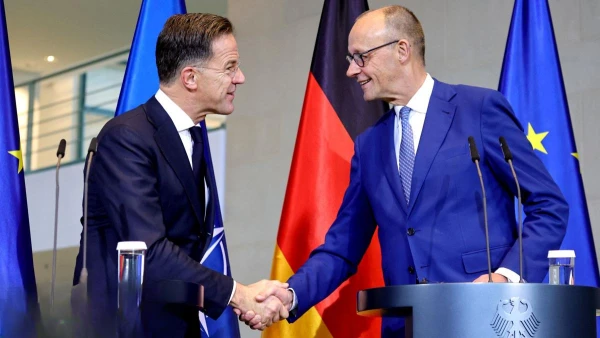
"We will defend every inch of NATO territory, including space," Rutte declared during a joint press conference with Merz in Berlin. He emphasized that the alliance is evaluating all available response options to counter emerging threats in the final frontier.
Merz condemned the alleged escalation, stating it reveals "the extent of Russia’s willingness to pursue destabilizing actions." However, German government spokesman Stefan Kornelius cautioned against amplifying hypothetical dangers, urging measured responses to prevent unnecessary panic.
Josef Aschbacher, director-general of the European Space Agency, labeled nuclear weapons in space as "the ultimate nightmare scenario," highlighting the catastrophic consequences such an attack could have on over 15,000 active satellites currently orbiting Earth. Bleddyn Bowen, co-director of the Space Research Centre at Durham University, noted that while the blast would indiscriminately damage Russian infrastructure as well, the geopolitical fallout would be severe.
The allegations follow a 2024 U.S. accusation that Russia was developing a space-based nuclear anti-satellite weapon, which Moscow denied at the time. In September, U.S. Air Force Secretary Troy Meink confirmed American possession of "space-control weapons," though details remain classified. The Kremlin swiftly countered that space must remain a weapon-free domain.
International observers warn that the standoff underscores a dangerous erosion of trust in space security. With multiple nations—including the U.S. and China—exploring advanced satellite capabilities, the risk of a new arms race in orbit looms large. Analysts stress the urgent need for diplomatic solutions to prevent a potential catastrophe that could plunge the world into uncharted geopolitical and technological turmoil.