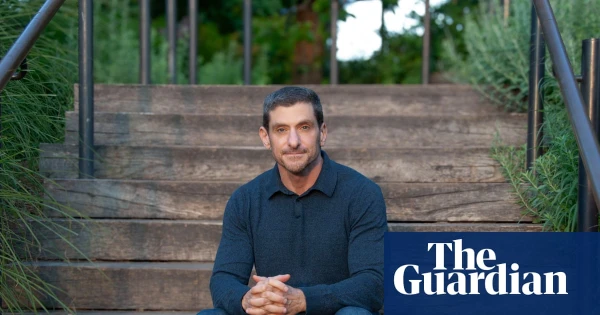
Psychiatrist Amir Levine, whose groundbreaking 2010 book Attached popularized attachment theory, has spent the last 16 years developing practical tools to help people cultivate emotional security. His new work synthesizes neuroscience research, clinical experience, and thousands of reader stories into a guide for transforming relationship patterns.
Attachment theory categorizes how individuals behave in relationships into four primary styles: anxious (characterized by social hypervigilance), avoidant (marked by independence and emotional suppression), fearful-avoidant (a mix of craving closeness but retreating in fear), and secure. Levine's first book helped readers identify their own style and understand their partners', leading to improved self-awareness and relationship harmony.
Since the publication of Attached, Levine has been inundated with messages from around the globe. One particularly poignant email came from a woman in Iran who shared that after recognizing her partner's avoidant tendencies, she ended the relationship and found a secure partner. For the first time, she felt equipped to communicate her needs clearly—and experienced orgasm as a result. Stories like this, combined with advances in understanding the neuroscience of attachment and brain plasticity, have informed Levine's latest work.
"From all of these stories, as well as research into the neuroscience of attachment and neuroplasticity and working with therapy clients, Levine has now compiled the tools needed to help anyone become more secure," he explains.
His forthcoming book promises to offer science-backed strategies for moving from anxious, avoidant, or fearful-avoidant patterns toward greater security—potentially leading to healthier, happier lives and more resilient connections.