Despite making up about 80% of Nigeria's population, young people are struggling to translate their demographic weight into political power ahead of the upcoming general elections. While youth-led movements like the 2020 EndSars protests and the social media-driven "Obedients" campaign have previously demonstrated a strong capacity for political mobilization, this enthusiasm has not translated into sustained electoral participation.
Official electoral data reflects a growing sense of disillusionment. Although overall voter registration has surpassed 103 million, enrollment among citizens under 35 has dropped by roughly seven million. Young voters now account for only 29% of the registered electorate, a significant decline from 40% in 2023.
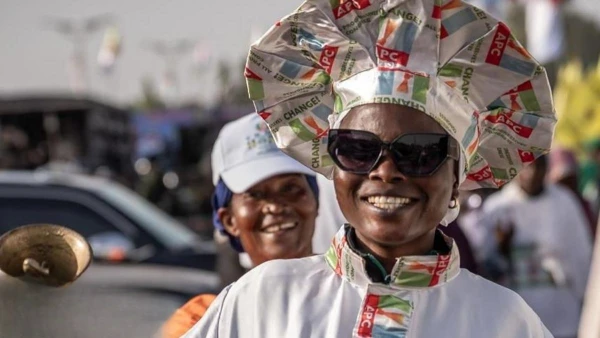
Aspiring young politicians face steep hurdles, chief among them being the astronomical cost of campaigning. Under current regulations, presidential campaign spending limits have doubled, and major political parties—such as the All Progressive Congress (APC) and the Peoples Democratic Party (PDP)—charge steep nomination fees that price most young candidates out of the race.
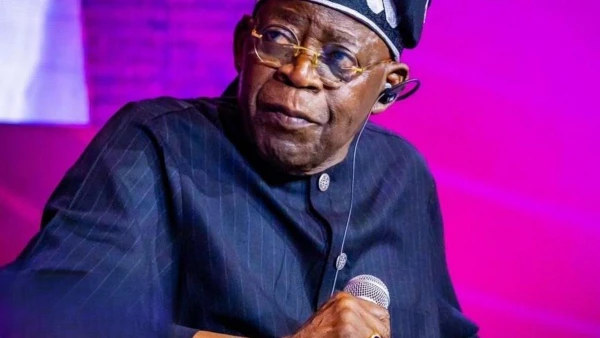
Beyond financial obstacles, analysts point to entrenched cultural norms and a lack of generational trust. With major political figures well into their late seventies and early eighties, and very few young representatives holding seats in the National Assembly, changing the established political order remains an uphill battle for Nigeria's younger generation.