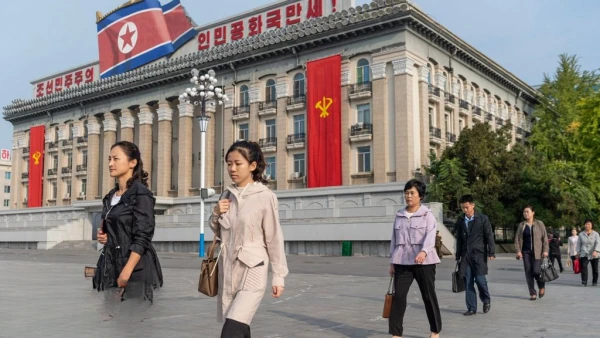
North Korea has ordered the immediate expulsion of Switzerland’s top diplomat in Pyongyang, escalating a diplomatic dispute over sanctions tied to the war in Ukraine. The move comes just weeks after Swiss Foreign Minister Ignazio Cassis reopened Switzerland’s diplomatic office in the North Korean capital, marking a rare high-level engagement with the isolated regime.
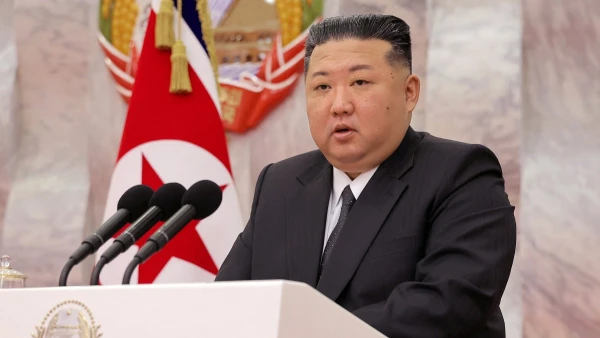
In a sharply worded statement, North Korea’s state-run Korean Central News Agency (KCNA) declared the Swiss representative persona non grata and demanded his departure within 48 hours. The decision follows Switzerland’s decision to impose sanctions on the Songdowon International Children’s Camp in Wonsan, a facility frequented by children from Russia, China, and other nations. Pyongyang alleges the camp has been involved in transferring children from Russian-occupied regions of Ukraine, a claim that has drawn international scrutiny.
"The sanctions imposed by Switzerland are a blatant hostile act that undermines our sovereignty and interferes in our internal affairs." — North Korean Foreign Ministry, via KCNA
Switzerland, one of the few Western nations to maintain any diplomatic dialogue with North Korea, insists its sanctions policy remains separate from its commitment to engagement. "We distinguish between our sanctions and our efforts to maintain dialogue with all countries," a Swiss foreign ministry spokesperson stated. The ministry confirmed that diplomatic relations would continue through the North Korean embassy in Bern and the Swiss embassy in Beijing, despite the expulsion order.
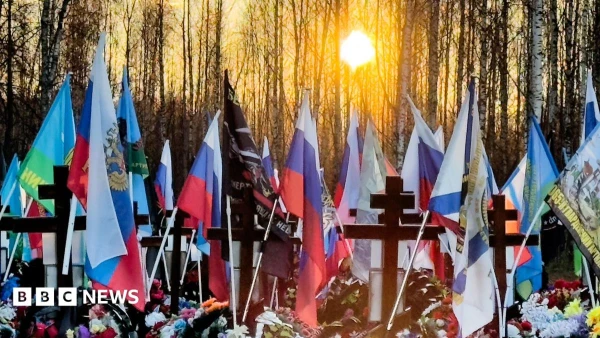
The diplomatic spat unfolds against the backdrop of North Korea’s deepening ties with Russia. Thousands of North Korean soldiers have been deployed to support Moscow’s war effort in Ukraine, while Pyongyang has allegedly supplied Russia with artillery shells and missiles. In August, Ukrainian President Volodymyr Zelensky accused Moscow of using North Korean-made missiles in attacks on Ukrainian territory.
Switzerland first established diplomatic relations with North Korea in 1974 and opened a cooperation office in Pyongyang in 1997. The office was shuttered during the pandemic and remained closed for six years before Cassis’s recent visit, which was seen as a symbolic step toward normalizing relations. The reopening, however, has done little to ease tensions as sanctions and geopolitical rivalries collide.