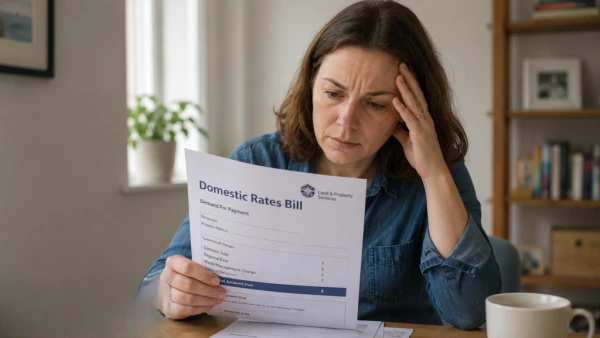
Debt from domestic rates bills in Northern Ireland has increased by more than 50% over the past year, with the charity Advice NI reporting that it has dealt with over £1 million in total rates debts for the first time.
According to the charity, rates bills are becoming an increasingly heavy financial burden on households. The average annual rates bill now stands at £1,239, following a 5% increase in the regional rate set by Stormont, along with varying increases in district rates set by local councils.
In the 2025/26 fiscal year, Advice NI recorded rates debt totaling £1,066,170 from its clients, up from £705,558 the previous year. Sinéad Campbell, head of Money, Debt and Quality at Advice NI, noted that stagnant wages and rising living costs are driving more people into debt.
Campbell warned that many individuals wait about two years before seeking help, suggesting that reported rates debt could rise sharply as the cost-of-living crisis continues. "Our research tells us that more people are having difficulty balancing the cost of running their home alongside other essential outgoings," she said.
She emphasized that rates bills should be treated as a priority debt, as falling behind can lead to serious consequences, including court orders for wage deductions or insolvency proceedings that could put a person's home at risk.
Rates debt is just one facet of the financial strain on consumers. Advice NI clients carry an average total debt of £12,145, and the charity supported 3,500 people last year, facing a combined debt of £42.5 million.
A domestic rates bill comprises three components: the value of the property (with higher-value homes generally paying more, subject to a cap), the Stormont-set regional rate (which increased by 5% this year, adding roughly £30 to the average bill), and the district rate set by each local council.
This year, Ards and North Down saw the highest percentage increase in the district rate at 4.5%, followed by Belfast City Council and Derry City and Strabane at 4.48%, while Fermanagh and Omagh had the lowest increase at 1.96%. Notably, Northern Ireland's rates bills remain considerably lower than those in the rest of the UK, as they do not include additional charges such as water fees.