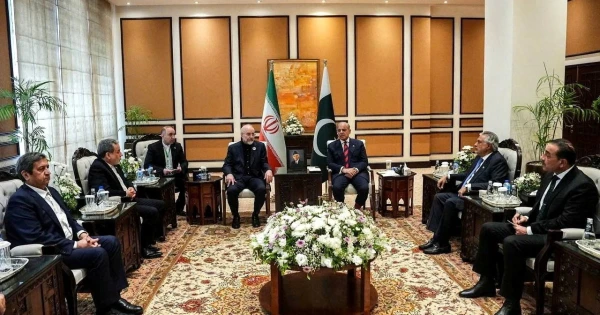
Prime Minister Shehbaz Sharif of Pakistan is embarking on a diplomatic mission to Saudi Arabia and Turkey, with the potential for renewed U.S.-Iran negotiations casting a significant shadow over the region. The timing of his visits coincides with heightened speculation that Washington and Tehran could resume talks imminently.
Sharif's itinerary includes meetings in Riyadh and Ankara, where he is expected to advocate for continued diplomatic engagement between the major powers. The prospect of a breakthrough has injected a sense of urgency into regional diplomacy, with Pakistan positioning itself as a potential facilitator.
Former U.S. President Donald Trump added to the speculation, stating publicly that negotiations could restart "in Pakistan in the next two days." While official confirmation from current administrations is pending, the comment has fueled anticipation of a significant shift in Middle Eastern geopolitics.
Analysts suggest Sharif's tour is aimed at consolidating Pakistan's role as a neutral intermediary and ensuring regional stability amid the fluctuating dynamics between Washington and Tehran. The outcome of these diplomatic maneuvers could have far-reaching implications for energy markets and security arrangements across South Asia and the Middle East.