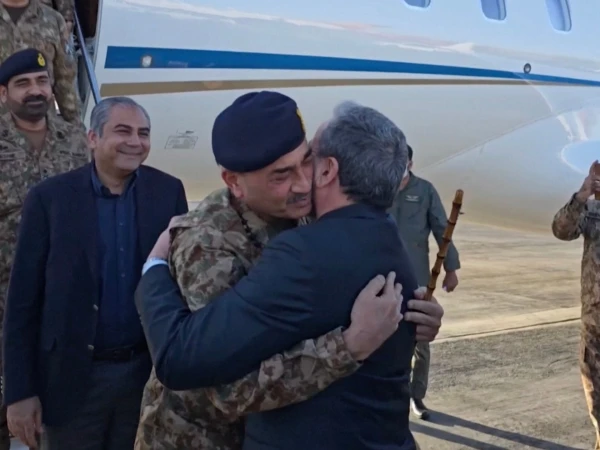
Pakistan's Chief of Army Staff, General Asim Munir, has embarked on a crucial diplomatic mission to Tehran, signaling Islamabad's proactive role in facilitating renewed dialogue between Iran and the United States. The high-stakes visit underscores Pakistan's strategic positioning as a potential mediator amid longstanding regional tensions.
General Munir's arrival in the Iranian capital marks a significant step in international efforts to restart negotiations that have stalled in recent years. Sources close to the discussions indicate the Pakistani military leader will engage directly with senior Iranian officials to explore pathways for diplomatic re-engagement between Tehran and Washington.
"This represents a carefully calibrated diplomatic initiative," noted regional analyst Fatima Hassan. "Pakistan maintains working relationships with both nations and possesses unique credibility to serve as an honest broker during this delicate phase."
The timing of the visit coincides with renewed international concern over Iran's nuclear program and regional security dynamics. While neither Tehran nor Washington has publicly confirmed any imminent negotiations, diplomatic observers suggest Pakistan's intervention could help establish preliminary communication channels.
Pakistan's Foreign Ministry released a brief statement acknowledging the visit's "regional peace and stability objectives" without providing specific details about the agenda. The army chief's direct involvement highlights the military's continued influence in Pakistan's foreign policy, particularly regarding security matters affecting neighboring states.
Previous mediation attempts by various international actors have yielded limited success, with fundamental disagreements over sanctions relief and nuclear verification protocols creating persistent obstacles. Pakistan's approach reportedly emphasizes confidence-building measures rather than immediate comprehensive agreements.
Regional experts caution that any breakthrough would require substantial concessions from both sides. "The trust deficit remains enormous," explained Tehran University professor Reza Mohammadi. "What Pakistan offers is not a magic solution but perhaps a neutral space for initial, low-profile contact that could gradually build momentum."
General Munir's itinerary includes meetings with Iran's military leadership and potentially with representatives from the country's diplomatic corps. The discussions are expected to address not only US-Iran relations but also bilateral security cooperation between Pakistan and Iran, particularly regarding border management and counterterrorism efforts.
As the diplomatic shuttle continues, international observers will monitor whether Pakistan's unique position—maintaining ties with both Western powers and the Islamic Republic—can translate into tangible progress toward reducing one of the Middle East's most persistent geopolitical standoffs.