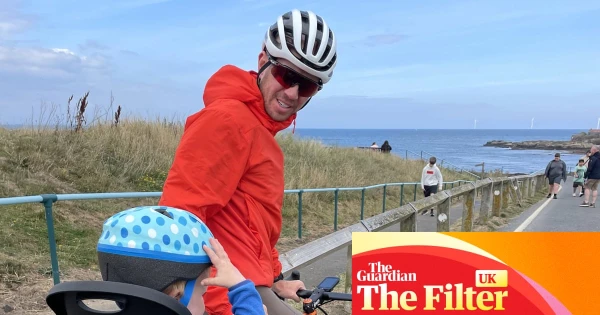
Family cycling traditions often span generations, with many parents eager to introduce their children to the joys of two-wheeled adventures. From vintage wooden trailers to modern child seats, the options for transporting young riders have evolved significantly, each presenting unique considerations for safety, convenience, and comfort.
Recent research, including studies from Germany, highlights that no single method is universally safest. Trailers may expose children to lower air quality due to their proximity to the ground, while bike seats increase the risk of injury in a fall. Ultimately, the choice depends on individual riding conditions and parental comfort levels.
Experts like Duncan Jagger of Cycling UK and Adam Tranter, former West Midlands cycling commissioner, emphasize that understanding the nuances of each setup is crucial for a successful family cycling experience.
Frame-Mounted Seats
These seats attach directly to the bike's seat tube, offering easy installation and removal. They provide some suspension for the child but can slightly hinder pedaling and affect bike handling by shifting weight to the rear. Jagger notes, "The extra weight at the back can make the front end overly light and twitchy." They are best suited for short trips and are not recommended for carbon-fiber frames due to clamping risks.
Rack-Mounted Seats
For greater stability, rack-mounted seats secure to a bike's pannier rack, eliminating pedal interference and frame damage concerns. However, they require a pre-existing rack and add weight that may challenge less confident cyclists. Tranter explains, "The fittings are substantial, allowing adults to relax knowing the carrier is securely attached."
Front-Mounted Seats
Positioned on the top tube, these seats offer children a front-row view and a sense of involvement in steering. Jagger adds, "They provide excellent visibility and a kinaesthetic experience for young riders." The minimalist design allows them to remain on the bike when not in use, though they can become cramped as children grow and may pose a risk of helmet contact during bumps.
Trailers
Trailers offer a protected, enclosed space for children, often with additional storage. They are versatile and can be converted for strolling, but their lower profile may expose riders to more pollutants. Handling can be affected by the extended length and width, requiring extra caution in traffic.
Choosing the right gear involves balancing practical needs with safety insights, ensuring that family cycling remains a cherished and secure activity for all involved.