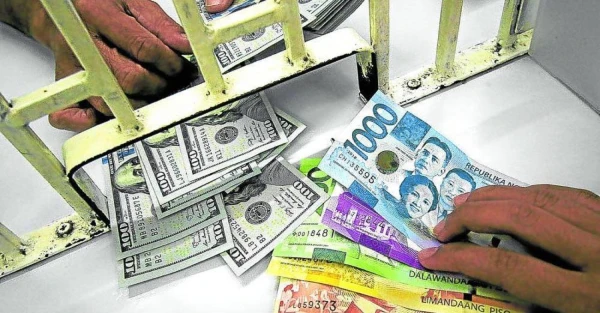
In a significant economic development, the growth of remittances to the Philippines decelerated sharply in February, reaching its slowest pace in nearly two years. This slowdown raises concerns about the resilience of a key financial lifeline for millions of Filipino families.
Data released by the Bangko Sentral ng Pilipinas (BSP) shows that cash remittances sent home by overseas Filipino workers (OFWs) increased by only 2.4% year-on-year in February 2024. This marks the weakest growth rate since April 2022 and represents a notable deceleration from the more robust expansion seen in recent months.
"The moderation in remittance growth reflects a combination of global economic headwinds and shifting labor market conditions in key host countries," noted a senior BSP official in a statement accompanying the data.
Remittances are a cornerstone of the Philippine economy, consistently providing a stable source of foreign exchange and supporting domestic consumption. The February figures indicate that the total cash remittances for the month amounted to approximately $2.57 billion. While this still represents a substantial inflow, the slowing growth trajectory is being closely monitored by economists and policymakers.
Analysts point to several potential factors behind the slowdown. These include economic uncertainties in major OFW destinations, such as the United States and Middle Eastern nations, which may be affecting employment stability and wage growth for migrant workers. Additionally, currency exchange rate fluctuations and increased living costs abroad could be influencing the amount of disposable income available for remittance.
The first two months of 2024 collectively show remittances totaling about $5.35 billion, reflecting a modest 2.6% increase compared to the same period last year. The BSP has maintained its full-year forecast for remittance growth, projecting a 3% increase for 2024, but the latest data suggests this target may face challenges.
Economists emphasize that while the slowdown is concerning, the overall remittance flow remains positive and continues to be a critical buffer for the Philippine economy against external shocks. The government is expected to review support programs for OFWs and explore measures to facilitate cheaper and faster remittance channels to help sustain this vital economic stream.