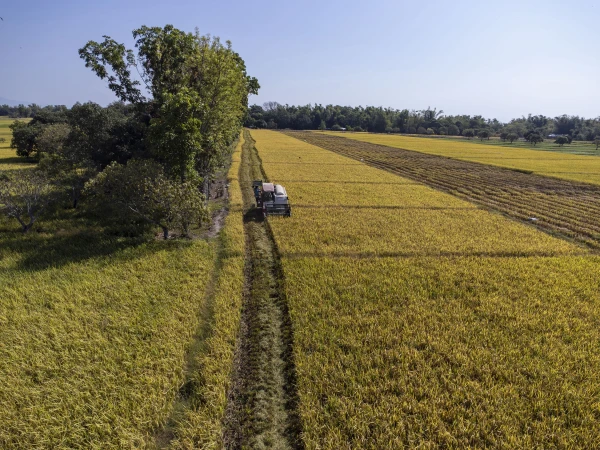
The Philippines has officially abandoned its goal of achieving record-high rice production this year, citing severe weather disruptions and climate-related challenges that have hampered agricultural output across the nation.
Agriculture officials confirmed that persistent drought conditions in key rice-growing regions, combined with unexpected typhoon damage during critical planting periods, have made the previously targeted production milestone unattainable. The country had aimed to surpass last year's harvest of 20 million metric tons but now expects significantly lower yields.
"The combination of El Niño-induced dry spells and unseasonal storms has created a perfect storm for our rice farmers," explained a senior agricultural economist. "We're seeing reduced planting areas, lower crop quality, and diminished harvest projections across multiple provinces."
Farmers in Central Luzon and Western Visayas—traditionally the country's rice baskets—report water shortages affecting irrigation systems and delayed planting schedules. Some agricultural districts have experienced up to 40% reduction in cultivable land due to insufficient rainfall during the crucial growing season.
"This isn't just about missing a statistical target—it's about food security for millions of Filipinos who depend on affordable, locally-grown rice," noted a food policy researcher. "The production shortfall will likely increase our import requirements and put pressure on household budgets."
The revised projections come as global rice prices remain elevated due to production challenges in other major exporting countries. Philippine officials are now focusing on damage mitigation strategies and support programs for affected farmers while reassessing long-term climate adaptation measures for the agricultural sector.
Agricultural experts emphasize that this year's experience underscores the vulnerability of food systems to climate volatility and highlights the need for more resilient farming practices and infrastructure investments to safeguard future harvests.