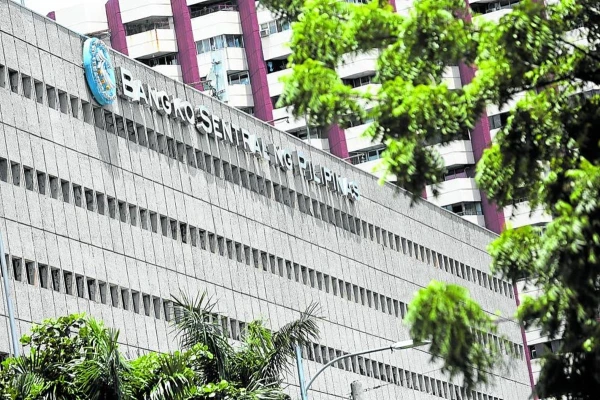
The Bangko Sentral ng Pilipinas (BSP) is widely expected to raise interest rates by 25 basis points at its Monetary Board meeting on April 23, 2026, as economists warn that delaying action could allow inflation to spiral out of control.
According to a poll by the Inquirer, 10 out of 16 economists anticipate the benchmark rate will increase to 4.5%, marking the first tightening move since October 2023. The remaining analysts predict rates will hold steady at 4.25%.
Diwa Guinigundo, an analyst at GlobalSource Partners and former BSP deputy governor, emphasized the urgency of the situation in a recent commentary. He argued that a quarter-point hike is essential to anchor inflation expectations and prevent the spread of price pressures from energy to other consumer goods.
"A measured but firm response is warranted," Guinigundo stated. "The cost of acting late will far exceed the cost of acting now. Monetary policy must move ahead of the curve, not behind it."
Inflation in the Philippines climbed to 4.1% in March, surpassing the central bank's 2-4% target range and reaching a near two-year high. This surge is largely driven by supply-side factors, particularly elevated oil prices linked to ongoing Middle East tensions. The Philippines recently declared a national energy emergency in response to these challenges.
While the BSP has acknowledged that interest rate hikes are not the ideal tool to address supply-driven inflation, analysts contend that tightening monetary policy could help prevent a "second-round" effect. This occurs when consumers and businesses begin to expect persistent price increases, leading to demands for higher wages and further price hikes, creating a self-reinforcing inflationary spiral.
The potential rate increase aims to cool demand by making borrowing more expensive, encouraging households to reduce spending. However, this move also risks slowing economic recovery, highlighting the delicate balance policymakers must strike in navigating current inflationary pressures.