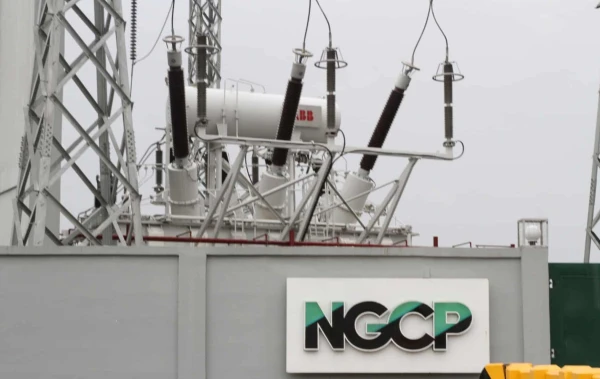
MANILA — The National Grid Corporation of the Philippines (NGCP) has issued a yellow alert for both the Luzon and Visayas electricity grids, signaling potential strain on the nation's power supply. This marks the second such alert this year, triggered by unexpected outages at multiple power plants.
According to the grid operator, the alert was in effect from 4 p.m. to 10 p.m. on Thursday, April 16, 2026. While current power supply remains sufficient to meet demand, the yellow status serves as a critical warning: any additional plant failures could lead to localized brownouts.
"In a yellow alert, the power supply can still meet demand, but it will serve as a warning that when a plant breaks down one way or another, it will result in brownouts," the NGCP explained.
The Luzon grid, with an available capacity of 12,223 megawatts (MW) against a demand of 11,966 MW, experienced its first yellow alert of 2026. The Visayas grid, which heavily relies on power imports from Luzon, was also placed under alert from 6 p.m. to 7 p.m. Its first alert this year occurred in January.
Energy Secretary Sharon Garin has directed a consortium of major power providers—including San Miguel Global Power, Aboitiz Power, and Meralco PowerGen—to urgently restore operations at key facilities. These include the Ilijan Blocks A and B and Excellent Energy Resources Inc. (EERI) Units 1, 2, and 3. The NGCP also reported the unavailability of several hydroelectric assets.
The situation is compounded by widespread outages across the system. Currently, 35 power plants are on forced outage, with an additional 14 operating at reduced capacities, rendering over 5,000 MW unavailable to the transmission network.
The Department of Energy has assured the public that it is implementing all necessary measures to safeguard power system reliability and minimize further disruptions as conditions evolve.