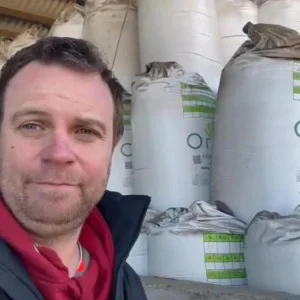
The soaring cost of agricultural inputs is pushing some British farmers to the brink, with one Merseyside grower admitting he might turn a better profit by selling his fertiliser stockpile rather than actually planting crops this year.
Olly Harrison, a fifth-generation farmer based in Tarbock, is facing a perfect storm of geopolitical turmoil and miserable domestic weather. The ongoing conflict in the Middle East has severely disrupted global shipping—particularly through the Strait of Hormuz, a critical chokepoint for a third of the world's essential fertiliser chemicals. As a result, input prices have skyrocketed.
Harrison purchased his current supply of fertiliser last June for a reasonable £340 per tonne. Today, that same product would cost him upwards of £700.
"We'd actually make more money selling it than putting it on the crop that it was intended for," Harrison revealed, noting the massive expense that will be required to eventually replace his inventory for next year's harvest.
The financial spike isn't the only factor deterring him from planting. A bitterly cold and relentlessly wet spring has left much of his corn seed still out of the ground. Harrison estimates that out of an ideal 100-day spring growing window, regional farmers have already lost 30 days.
With limited daylight hours remaining, applying expensive fertiliser and burning costly diesel to operate heavy machinery hardly makes financial sense. Relying on hopes for perfect, season-saving weather is a risk Harrison is hesitant to take.
"You start to think, is this worth doing?" he said.
The dilemma highlights the fragility of local food production. Harrison pointed out that the closure of a local fertiliser factory in the Wirral three years ago left regional farmers entirely dependent on volatile imported supplies. Whether it is the fallout from the COVID-19 pandemic, the war in Ukraine, or the current conflict in the Middle East, global instability is directly driving up the fundamental costs of growing food in the UK.
Ultimately, Harrison described modern agriculture as an increasingly desperate game of chance.
"Every year of farming, it seems like double or quits," he said. "We feel like we're gambling all the time and the stakes keep getting higher."