Reform UK has unveiled a sweeping immigration proposal that would trigger an immediate review of every asylum claim processed over the last five years if the party secures victory in the next general election. The plan, which the party estimates could render approximately 400,000 individuals eligible for deportation, represents one of the most aggressive border policy overhauls in recent British political history.
Under the proposal, anyone granted asylum, found to have overstayed a visa, or arriving from a country designated as "safe" by a Reform-led government would be subject to potential removal. The announcement intensifies the ongoing national debate over immigration, coming as the current Labour government implements its own stringent measures—including dismantling human trafficking networks, phasing out asylum hotels, and extending the waiting period for indefinite leave to remain.
Reform's home affairs spokesman, Zia Yusuf, described the scale of the envisioned deportations as "unprecedented in this country." In a BBC Breakfast interview, Yusuf asserted, "We are not going to allow the British people's goodwill to be taken advantage of," framing the policy as a necessary corrective to systemic abuse.
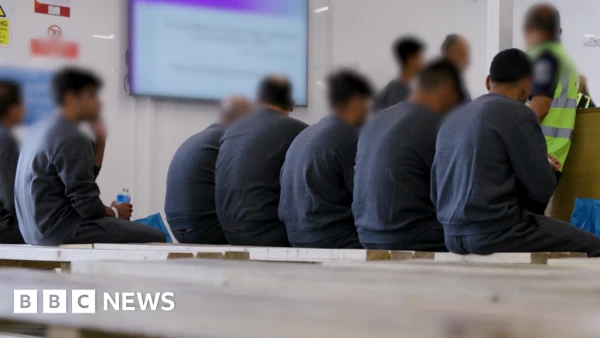
To operationalize the plan, Yusuf outlined a strategy centered on constructing "modular" detention facilities with a capacity for 22,500 people, enabling the deportation of an equivalent number monthly—a model he claimed has proven effective in the United States. This approach, he argued, could lead to roughly 250,000 detentions annually. Additionally, Reform aims to cease welfare provisions for illegal arrivals, terminating free accommodation and curtailing what Yusuf termed an "endless merry-go-round" of legal appeals.
Yusuf addressed concerns about feasibility during a press conference, insisting that "everything we're talking about here can be done by the existing workforce" within the Home Office. He explained that case reviews would not require individualized assessments but rather a streamlined examination of existing data to determine methods of entry, potentially accelerating the clearance of backlogs.
Party leader Nigel Farage supplemented the proposal by noting that financial incentives, such as airfare and up to £1,000, would be offered to encourage voluntary departures. Reform has also reiterated its commitment to withdrawing from the European Convention on Human Rights (ECHR) and abolishing the right to permanent settlement after five years, measures it argues are essential to facilitate removals.
The announcement drew sharp criticism from across the political spectrum. Conservative shadow home secretary Chris Philp accused Reform of poorly replicating Tory policies, stating, "Reform is slowly catching up with our ideas—but without the detail that will ensure it works in practice." He highlighted the Conservatives' own plan to deport 150,000 immigrants annually and ban asylum claims from illegal entrants within a week of arrival.
Liberal Democrat immigration spokesman Will Forster dismissed the proposal as a "hostile, headline-grabbing" and "impractical farce" that would exacerbate existing backlogs. Meanwhile, Green Party deputy leader Rachel Millward condemned it as "superficial, ill-thought-out, and cruel," advocating instead for compassionate, root-cause solutions to migration challenges.
Imran Hussain, director of external affairs at the Refugee Council, warned that the plan is "not a serious or workable" solution, predicting it would overwhelm the asylum system, burden courts for years, and incur tens of billions in taxpayer costs. "Most Britons want an asylum system that works—one that is fair, efficient and controlled—not an expensive and chaotic attempt at mass deportations," Hussain remarked.
As the election approaches, Reform's pledge sets the stage for a contentious policy battle, reflecting deep divisions over how to manage immigration and asylum in the UK.