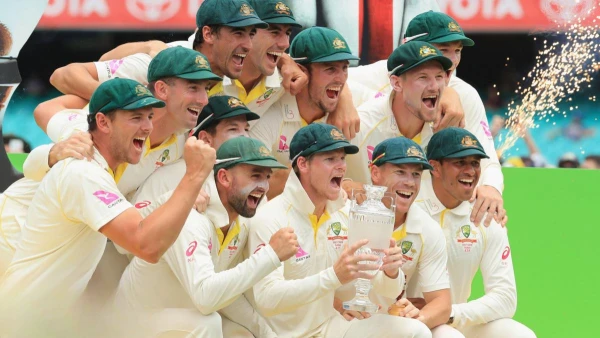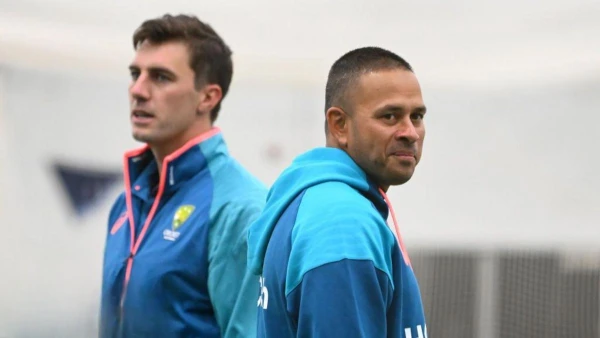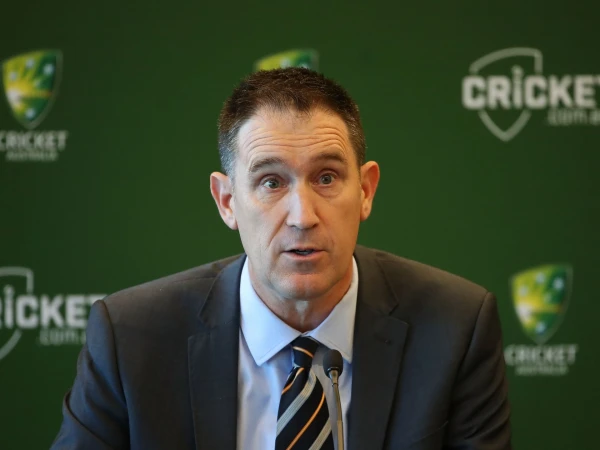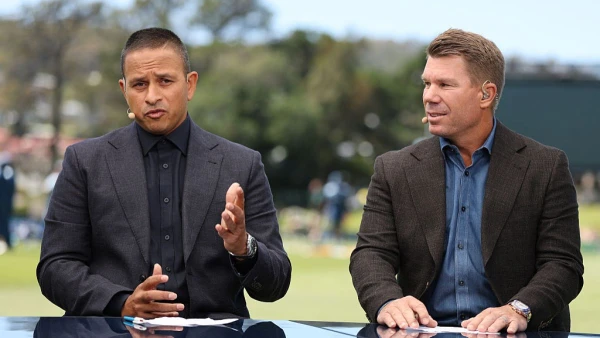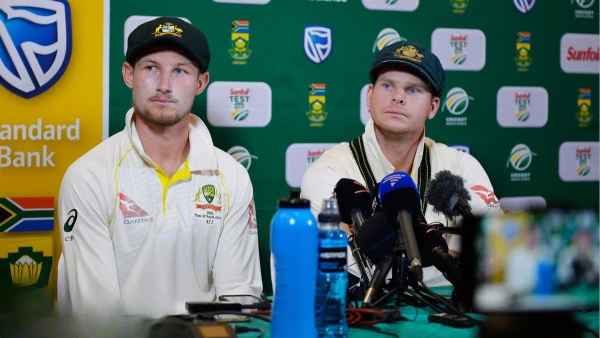
The 2018 ball-tampering scandal that rocked Australian cricket has erupted back into the spotlight, threatening to overshadow the upcoming Ashes series. Eight years after Cameron Bancroft was caught using sandpaper to alter the ball’s condition during a Test against South Africa, fresh allegations have reignited the controversy—this time implicating the entire Australian team.
In his recently released autobiography, former Australian batter Usman Khawaja claimed that every player in the squad knew about the tampering plan. The explosive revelation contradicts the official narrative, which had long maintained that only Bancroft, captain Steve Smith, and vice-captain David Warner were involved. Cricket Australia has responded by launching an independent inquiry, expanding its scope to cover the entire 2017-18 season, including the Ashes series against England. The governing body has pledged to publish a full report, but with the Ashes looming, the fallout threatens to dominate headlines for months.
The scandal first exploded in March 2018 when Bancroft was caught on camera using sandpaper to rough up the ball during the third Test against South Africa. Smith and Warner were later found to have known about the plan, leading to their suspensions and Warner’s resignation as vice-captain. The incident earned the nickname Sandpapergate and became one of cricket’s most infamous controversies, sparking global outrage and tarnishing Australia’s reputation for fair play.
Khawaja’s claims, however, suggest the scandal was far more widespread than previously believed. In his book, he alleges that players routinely discussed the tampering strategy, with some even participating in it. Current Australian Test captain Pat Cummins has vehemently denied these claims, insisting that only a small group was involved. "The team’s integrity is paramount," Cummins stated. "We’ve moved on from 2018, and we’re focused on the future."
The controversy has also reignited debates about cricket’s culture and the pressures placed on players to win at all costs. The phrase "It’s just not cricket"—a British idiom condemning unsportsmanlike behavior—underscores the deep-seated belief in fair play that defines the sport. Yet, ball-tampering scandals have punctuated cricket’s history, from Mike Atherton’s 1994 incident to Shahid Afridi’s infamous 2010 bite.
As Cricket Australia prepares to release its findings, the cricketing world watches closely. With the Ashes series just months away, the fallout from Sandpapergate could cast a long shadow over the tournament—and the sport itself.
A History of Ball-Tampering Scandals That Shook Cricket
Mike Atherton – England v South Africa, Lord’s, 1994
England’s then-captain Mike Atherton found himself at the center of a storm in 1994 when television footage appeared to show him applying dirt to the ball during the Lord’s Test. Atherton insisted he was merely keeping his hands and the ball dry, but match referee Peter Burge fined him £2,000—a penalty that did little to quell the controversy.
Sachin Tendulkar – South Africa v India, Port Elizabeth, 2001
Legendary Indian batter Sachin Tendulkar was handed a suspended one-match ban in 2001 after being caught on camera removing a piece of grass from the ball. The International Cricket Council later overturned the ban, ruling that Tendulkar was merely cleaning the ball without permission rather than tampering with it. The decision sparked further outrage, with the Indian cricket board refusing to accept the match referee for the subsequent Test, which was declared unofficial.
Inzamam-ul-Haq – England v Pakistan, The Oval, 2006
The 2006 Oval Test between England and Pakistan became one of cricket’s most dramatic moments when umpires Darrell Hair and Billy Doctrove accused Pakistan of ball-tampering. The umpires awarded England five penalty runs and offered a replacement ball, but Pakistan’s refusal to resume play in protest led to the first forfeited Test in history. Captain Inzamam-ul-Haq was banned for four matches for bringing the game into disrepute, though he was later cleared of the ball-tampering charge.
Shahid Afridi – Australia v Pakistan, Perth, 2010
Pakistan’s Shahid Afridi was caught biting the ball during a one-day international against Australia in 2010. Initially claiming he was merely "smelling it," Afridi later admitted shame over his actions, which occurred in the heat of the moment. He was banned for two T20 matches, a punishment that paled in comparison to the public backlash he faced.
Faf du Plessis – Australia v South Africa, Hobart, 2016
South Africa’s Faf du Plessis was fined 100% of his match fee and given three penalty points in 2016 after being caught on camera using saliva to shine the ball. The incident, which occurred during a Test against Australia, highlighted the fine line between maintaining the ball’s condition and tampering with it. Du Plessis had previously been fined for scuffing the ball on his trousers in 2013.
"The rules are in place for a reason. If you're not going to use them, why bother having them? If you're going to overstep the mark, be prepared to get fined and miss Test matches." — David Warner, Australia vice-captain, 2016