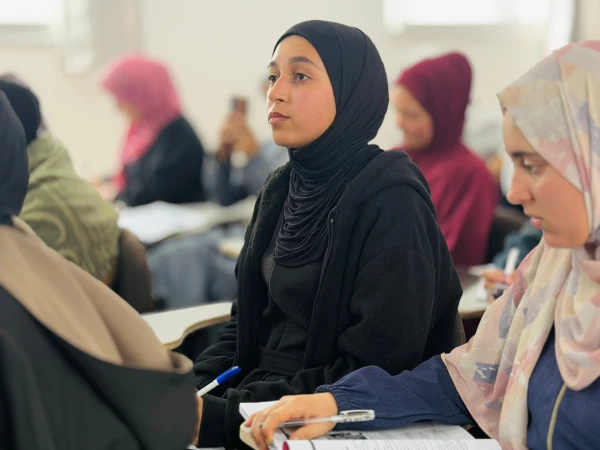
In the shadow of conflict, a makeshift university in Gaza is offering students a beacon of hope, powered by the sun. Amidst the rubble and scarce resources, solar-powered halls have become academic lifelines for those determined to continue their education despite the war's devastating aftermath.
These innovative learning spaces represent more than just classrooms—they symbolize resilience and the unwavering pursuit of knowledge in one of the world's most challenging environments. Students who have endured displacement, loss, and constant uncertainty now gather under solar panels that provide both literal and metaphorical light, creating opportunities where traditional educational infrastructure has been destroyed.
The initiative addresses critical shortages of electricity and resources that have plagued Gaza for years, exacerbated by recent conflicts. By harnessing renewable energy, educators have crafted sustainable solutions that allow lectures, discussions, and research to continue even when conventional power grids fail.
"We're not just teaching subjects—we're teaching perseverance," explained one educator involved with the project. "When students see that learning can happen anywhere, with creativity and determination, they understand that education transcends physical boundaries."
This grassroots academic movement has attracted students from various disciplines who share a common determination to rebuild their futures. From engineering students designing practical solutions for their communities to medical students preparing to address healthcare crises, the solar-powered university has become a hub for practical, forward-thinking education.
As international attention focuses on Gaza's humanitarian needs, this educational initiative demonstrates how local innovation can create lasting change. The solar-powered classrooms not only provide immediate educational opportunities but also model sustainable development approaches that could influence reconstruction efforts across the region.
For Gaza's students, these makeshift halls represent more than temporary learning spaces—they embody the possibility of resurrecting academic dreams that many feared had been permanently extinguished by conflict.