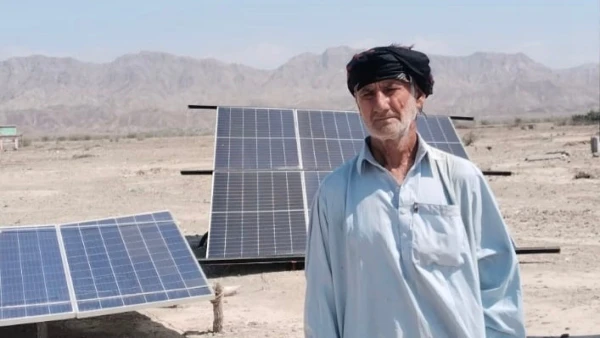
Pakistan is experiencing a remarkable energy transformation, with one in four households now powered by solar panels. This widespread adoption is providing crucial insulation for millions of families amid regional instability and energy market volatility.
According to recent data, the rapid expansion of solar infrastructure has created a decentralized energy network that's proving resilient during geopolitical tensions. While neighboring regions face energy disruptions, Pakistani households with solar installations continue to operate independently of grid vulnerabilities.
Energy analysts note that this shift represents more than just technological adoption—it's fundamentally changing how communities access and manage power. "The solar boom has created energy sovereignty at the household level," explained one regional energy expert. "Families are no longer passive consumers but active participants in their energy security."
This transformation comes as Pakistan faces multiple energy challenges, including import dependency and infrastructure limitations. The solar movement, driven by both government initiatives and private sector innovation, has accelerated dramatically in recent years, with installation rates increasing by over 300% since 2020.
"What we're witnessing is a quiet energy revolution that's making communities more resilient to external shocks," said Dr. Amina Khan, director of the South Asia Energy Research Center. "The psychological impact alone is significant—people feel empowered knowing they have reliable power regardless of what happens elsewhere."
The benefits extend beyond individual households. Communities with high solar penetration are reporting economic advantages, including reduced energy expenditures and new local job opportunities in installation and maintenance services. This distributed energy model is also relieving pressure on Pakistan's national grid during peak demand periods.
As regional tensions continue to affect traditional energy markets, Pakistan's solar infrastructure serves as a case study in energy resilience. The country's experience demonstrates how rapid renewable adoption can create buffers against geopolitical uncertainties while simultaneously addressing climate commitments and energy access challenges.