Spain is preparing for another record-breaking year in tourism, with the number of foreign visitors potentially reaching 100 million for the first time, according to Tourism Minister Jordi Hereu. In an interview, Hereu rejected claims of overtourism saturation but acknowledged that "old formulas no longer work," emphasizing a shift toward sustainable, diversified tourism amid growing protests over crowded hotspots and housing shortages.
Last year, Spain welcomed 96.8 million international tourists, a 3.2% increase, with spending rising 6.8% to €134 billion. First-quarter figures show continued growth of 3.4% in arrivals and 6.7% in revenue. Hereu described the target as "calm growth" that can be managed, despite potential diversion from Middle Eastern destinations due to geopolitical tensions.
Hereu, a former Barcelona mayor, praised the city's decision to ban tourist apartments by 2028 but noted Spain's decentralized governance limits central control. He criticized right-wing administrations for relying on market self-regulation, which he said has failed in some areas. While calling anti-tourism sentiment a minority view, he stressed the need for local authorities to regulate, limit, and tax tourism properly.
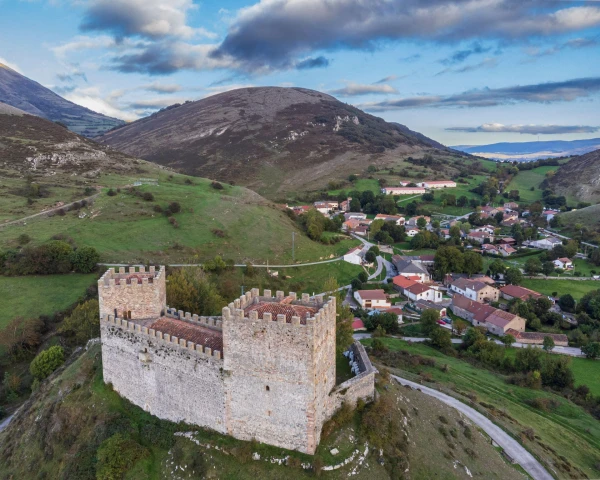
The minister is championing a move away from the traditional "sun and sand" model, which still accounts for 37% of visits, toward offbeat inland regions. The "Think You Know Spain? Think Again" campaign showcases cultural and natural attractions—churches, folk festivals, wine regions, and brown bears—rather than beaches. Hereu noted that low and mid-season travel is growing faster than peak season, and inland northern regions are emerging.
Spain's reliance on tourism was stark during COVID-19, when arrivals plunged 77%. The government invested €3.4 billion in EU recovery funds to modernize the sector, helping less-visited areas like Castilla-La Mancha, Extremadura, and Asturias develop their markets. Hereu argues that diversification can combat depopulation and provide more stable, year-round employment.
"Before, it was June, July, August, and maybe September. Now chains tell me they're open almost all year," he said. While defending beach tourism, Hereu emphasized that adding value through diverse experiences is key to Spain's 2030 sustainable tourism strategy.