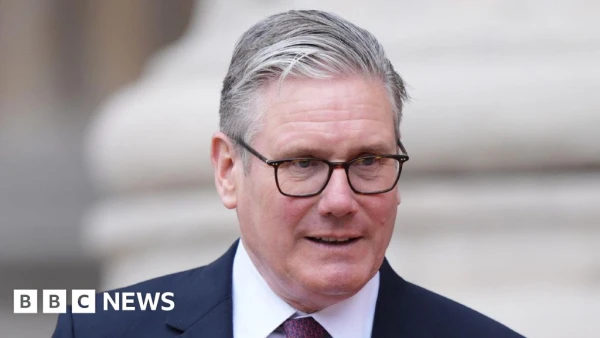
This was the week the whispers about Prime Minister Keir Starmer's future grew louder, and the outlook darkened. Just a fortnight ago, Labour MPs seemed to have eased off on leadership speculation following a near-death political experience in February. But that was before the Guardian's investigation into Lord Mandelson's security vetting landed last Thursday, unleashing a torrent of grim headlines that have consumed the news agenda, just days before crucial elections to the Scottish and Welsh parliaments and English local authorities.
Since then, the Labour Party has been mired in an unrelenting crisis. Cabinet ministers, usually disciplined defenders of the government, have shown visible frustration. Ed Miliband, the Energy Secretary and former party leader, admitted on Sky News that he had worried Mandelson's appointment as ambassador to Washington "could blow up" and had voiced those concerns to the Foreign Secretary, David Lammy. Work and Pensions Secretary Pat McFadden, normally a staunch ally, distanced himself from No 10's reported move to offer a diplomatic post to former communications director Lord Doyle. Foreign Secretary Yvette Cooper was publicly aghast at that revelation.
This week's cabinet meeting saw ministers openly express concern about the government's relationship with the Civil Service after the abrupt dismissal of Sir Olly Robbins, the top Foreign Office official. Chancellor Rachel Reeves and Health Secretary Wes Streeting were among those who spoke up. While the prime minister himself also expressed concern, the willingness of ministers to let their unease be known was striking.
Labour backbencher Jonathan Brash bluntly declared on GB News that Starmer's time was up. His colleague Dan Carden, more measured on BBC Newsnight, said "there is definitely a question about the future of the Labour government." The New Statesman's editor, Tom McTague, wrote that "the clamour is growing: he cannot do the job," quoting Boris Johnson's reflection that "when the herd moves it moves." This week, the Labour herd is moving again, chewing over the leadership.
The underlying fundamentals remain unchanged: the government is deeply unpopular, and Starmer even more so. Critics on all sides accuse the administration of lacking a clear sense of direction. Yet the party cannot agree on a successor. Angela Rayner is still in a tax dispute; Andy Burnham is not an MP; Wes Streeting is trying to distance himself from his past friendship with Lord Mandelson, having voluntarily published their messages two months ago. The prospect of a leadership contest while in office horrifies many, but the pressure is mounting.
The coming days will test whether Starmer can steady the ship—or whether the worst is yet to come.