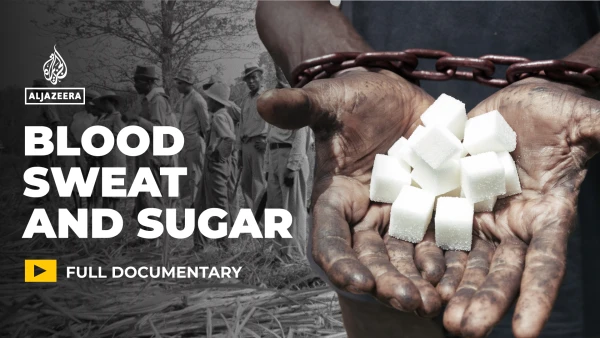
The global sugar industry, often associated with sweetness and indulgence, carries a profound and troubling legacy rooted in centuries of human suffering and environmental exploitation. This bitter history, built on the foundations of slavery, forced labor, and ecological degradation, continues to cast long shadows over contemporary production and consumption patterns.
From the 16th to the 19th centuries, European colonial powers established vast sugar plantations across the Caribbean, Brazil, and other tropical regions, relying almost exclusively on enslaved African labor. Millions were forcibly transported under brutal conditions, with mortality rates on plantations often exceeding birth rates. The economic success of these operations was directly tied to this system of human bondage, creating immense wealth for plantation owners and European merchants while devastating African societies.
Beyond human exploitation, sugar cultivation has historically caused significant environmental damage. The clearing of vast tracts of tropical forest for plantations led to biodiversity loss and soil degradation. The intensive monoculture practices depleted nutrients and required constant expansion into new territories. Processing methods often polluted waterways with waste products, affecting local ecosystems and communities.
Today, while overt slavery has been abolished, critics argue that exploitative practices persist in modified forms. Many modern sugar operations in developing countries continue to rely on low-wage labor with poor working conditions, while large-scale production still contributes to deforestation, water pollution, and soil exhaustion. The industry's historical concentration of wealth and power has created enduring economic disparities between producing regions and consuming nations.
As consumers become increasingly aware of food supply chains, there is growing scrutiny of how historical injustices continue to influence contemporary sugar production. Ethical certification programs and fair trade initiatives have emerged as responses to these concerns, though critics question whether they adequately address the deep structural inequalities inherited from centuries of exploitation.
The story of sugar serves as a powerful reminder that many everyday commodities carry hidden histories of human and environmental cost. Understanding this legacy is essential for making informed choices about consumption and supporting more equitable and sustainable production systems for future generations.