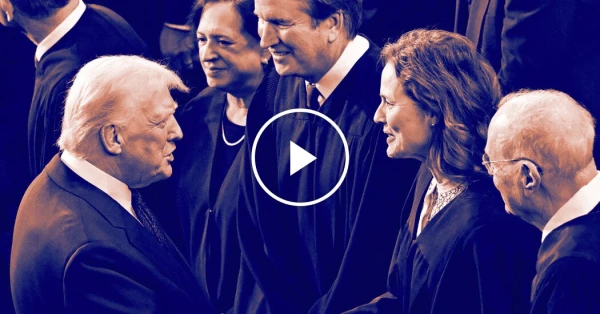
In a surprising turn of events, the U.S. Supreme Court has positioned itself as the primary institutional counterweight to presidential authority expansion, particularly during the Trump administration's efforts to reshape executive power boundaries.
Legal analyst Sarah Isgur, author of "Last Branch Standing," argues that while President Trump amplified existing trends toward executive dominance, his most significant policy initiatives have consistently met judicial resistance. "He has failed to implement any of his major policy initiatives through executive order in any realistic sense," Isgur notes, pointing to blocked attempts at federalizing the National Guard, imposing worldwide tariffs, and challenging birthright citizenship.
"This represents one of the most significant Supreme Court losses for a U.S. president in modern history," Isgur observes, highlighting how the judiciary has repeatedly ruled against presidential overreach.
The pattern extends beyond policy to what some have termed a "retribution campaign" against perceived enemies. While politically resonant, these legal efforts have largely faltered in courtrooms. "Legally, it has failed at every turn," Isgur states, though she acknowledges the cultural impact of such efforts on institutions like universities.
This judicial pushback represents what Isgur calls "the endpoint" of a century-long experiment in shifting power from Congress to the executive branch. Rather than breaking new constitutional ground, Trump's administration has "turned the amp up to 11" on precedents set by previous presidents, from Obama's "pen and phone" approach to Progressive Era expansions of executive expertise.
Looking ahead, similar constraints may apply to election-related executive actions, given constitutional provisions reserving election administration primarily to states. The Supreme Court's consistent role suggests that while presidential power may continue to be tested, the judiciary has reasserted itself as what Isgur describes as "the real power center in American democracy right now."