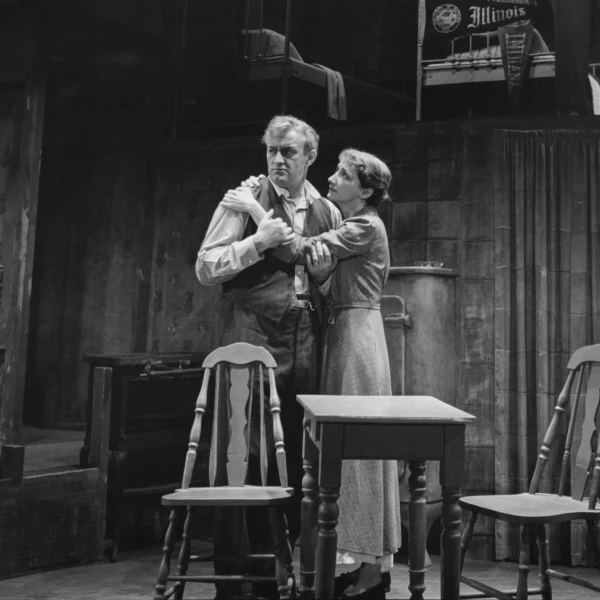
The emotional power of Arthur Miller's "Death of a Salesman" continues to resonate deeply with American Jewish audiences, connecting personal family histories to broader cultural narratives.
In 1975, a 15-year-old boy sat beside his father at the Circle in the Square Theater, witnessing something unprecedented: his father weeping openly throughout the entire performance. This man, a Jewish traveling salesman who had never shown such vulnerability before, was moved to tears by Willy Loman's tragic story—a reaction that has been shared by countless theatergoers since the play's 1949 Broadway debut.
"From its opening night in February 1949 to the current sixth revival, 'Salesman' has been a play that cracks the steeliest of men and women."
The connection between Willy Loman and Jewish-American identity runs deep. Like Miller himself, many Jewish men of that generation came of age during a period when America was reconsidering its antisemitism in the wake of the Holocaust. They navigated newly opened professional opportunities while maintaining the tight-knit community bonds that had sustained previous generations.
Unlike Willy—trapped in a Brooklyn house surrounded by buildings that blocked the sunlight—many Jewish salesmen achieved remarkable success. Armed with college degrees and military service, they moved from poverty-stricken childhoods to comfortable suburban homes, paying college tuition for their children and living lives their Yiddish-speaking immigrant parents could scarcely imagine.
Yet this success came at a cost that often went unspoken. The emotional toll of assimilation, the pressure to succeed, and the distance from traditional community support created a silent burden that "Death of a Salesman" articulates with painful clarity. The play serves as a mirror reflecting not just individual struggles but the collective experience of a generation balancing opportunity with identity.
Today, as new productions continue to draw emotional responses, the play's relevance persists. It speaks to universal themes of family, ambition, and the American Dream while maintaining its specific resonance with the Jewish-American experience—a testament to Miller's understanding of how personal stories can illuminate broader cultural truths.