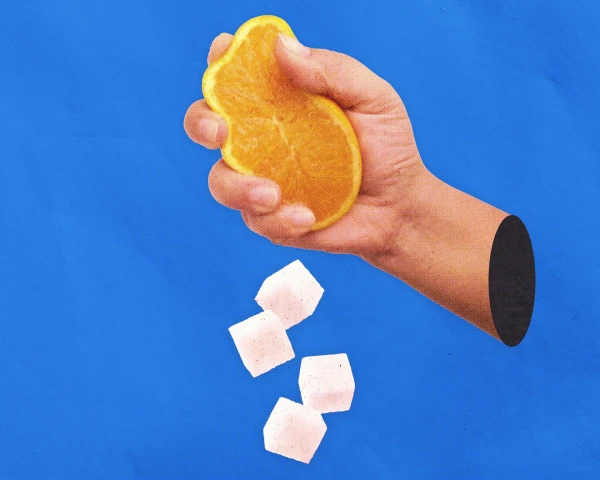
Many people try to limit sugar intake, but it's pervasive in modern diets, hiding under over 50 different names on ingredient labels and appearing even in savory products. The sweetener is controversial, with questions about addiction and whether complete elimination is necessary.
What Exactly is Sugar?
Table sugar (sucrose) from refined cane or beet is just one form. Sugar broadly refers to simple carbohydrates naturally present in fruits, vegetables, dairy, and grains, including fructose, glucose, lactose, and maltose.
Is Sugar Bad for You?
Not when it comes from whole foods like fruit, vegetables, milk, and plain yogurt. These provide essential nutrients like fiber, vitamins, and minerals. A piece of fruit is not equivalent to candy or soda.
Which Sugar Should You Limit?
"Free" sugars — those added by manufacturers, cooks, or consumers — are the culprit. Common sources include sodas, cookies, cakes, and chocolate, but also alcoholic drinks, fruit juices, smoothies, breakfast cereals, flavored yogurts, sauces, and condiments. Watch for ingredients like syrup, nectar, molasses, treacle, or any word ending in "-ose" (dextrose, fructose).
Is Honey Healthier?
Honey often has a "health halo," but its vitamin and mineral content is negligible. The body processes honey and table sugar similarly. Manuka honey may have medicinal uses for wounds or coughs, but it's still sugar and can cause tooth decay.
Surprising Sources of Sugar
A recent report found 74% of baby and toddler snack products contain high or medium sugar levels, even those labeled "no added sugar," due to fruit purees. Similarly, 68% of "healthy" snack bars in the UK would carry a "high in sugar" warning in Chile. Milk substitutes like almond or soy milk often have added sugar.
How Much Is Acceptable?
WHO and the American Heart Association recommend added sugar be no more than 10% of daily calories (50g or 12 teaspoons). The UK goes further, advising 5% (30g or 7 sugar cubes). For reference, a standard chocolate bar contains 25g of free sugar, and a 330ml cola has 35g.
Are People Exceeding the Limit?
Yes — Britons consume about double the recommended amount. Children aged 4-18 get around 12% of calories from free sugars, mainly from soft drinks. Adults' main sources are soft drinks and alcohol. Global consumption remains well above limits.
Health Risks
Sugar fuels tooth decay by feeding bacteria that produce enamel-weakening acids. Dairy products can protect teeth. High sugar intake is linked to obesity: Greek children consuming over 10% of calories from added sugars were 2.57 times more likely to be overweight or obese. Excess sugar may also contribute to high blood pressure, certain cancers, and non-alcoholic liver disease.
Why Are Sugary Drinks Especially Harmful?
They allow rapid consumption of large amounts of sugar, promoting weight gain and associated health issues.