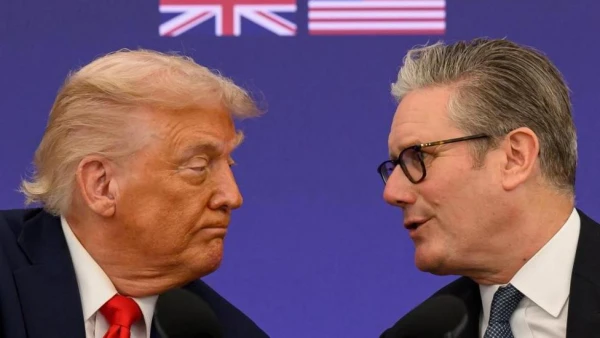
What began as an unlikely political friendship between former U.S. President Donald Trump and UK Prime Minister Keir Starmer has fractured dramatically in recent weeks, with tensions escalating over military policy in the Middle East.
Their relationship started surprisingly strong during a 2024 dinner at Trump Tower, where the flamboyant Republican and reserved Labour leader appeared to find common ground. The connection deepened five months later when Starmer presented Trump with an invitation from King Charles during an Oval Office meeting.
"The strength of that initial Trump-Starmer relationship was both a surprise, and a rare example of a clear success for the PM amid a domestically difficult first year in office," noted political observers at the time.
The turning point came when the leaders clashed over the use of UK military bases during the Iran conflict. Since then, Trump has publicly mocked Starmer, declaring he was "no Winston Churchill," retweeting satirical sketches about him, and even impersonating the prime minister's voice at a news conference.
Downing Street has maintained a measured response, with officials describing their approach as "calm" and "not creating drama." However, former government advisors have been more blunt in their assessments.
Ben Judah, who advised former Foreign Secretary David Lammy, wrote this week that the U.S. "no longer only cooperates with us as allies but coerces us as vassals," describing the realization that Britain's closest ally had become "erratic, emotional and unpredictable."
Starmer's team acknowledges the strain but remains cautiously optimistic about maintaining functional relations. "They still have a relationship. It's in both countries' interests to work together," a source close to the prime minister explained.
Behind the diplomatic tensions lies domestic political calculation. With elections approaching on May 7, the government sees an opportunity to distance itself from economic consequences attributed to Trump's policies. Chancellor Rachel Reeves expressed anger at Trump's military decisions, noting the war is "causing real hardship for people now."
Starmer himself admitted frustration with how global leaders' actions affect British families, telling ITV News he was "fed up with the fact that families across the country see their bills go up and down... because of the actions of Putin or Trump."
The prime minister has used the international crisis to bolster his leadership credentials, convening emergency meetings and focusing on foreign policy rather than domestic campaigning. His team believes his handling of the Iran situation represents one of his strongest policy decisions to date.
Looking ahead, UK officials acknowledge they must adapt to an unpredictable White House. Increased defense spending, closer European Union ties, and energy independence initiatives signal a strategic shift in Britain's approach to international relations.
While King Charles may attempt diplomatic repair during his upcoming Washington visit, officials admit they now watch nightly for the next presidential pronouncement, with one sighing: "We all sit there every night to see what the next tweet is."