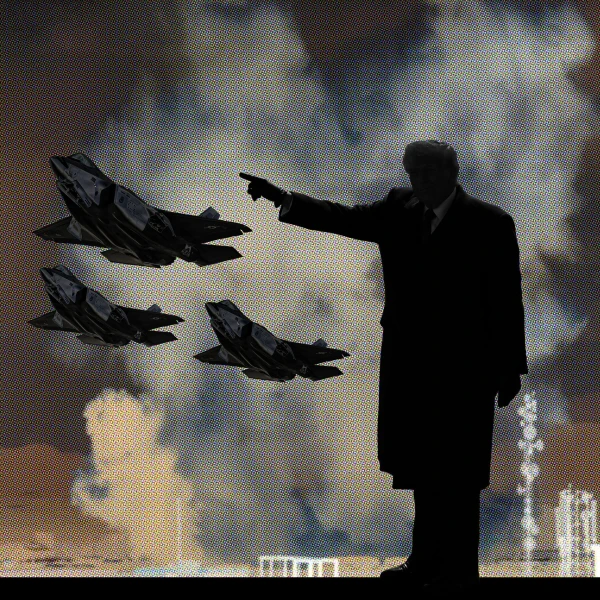
In a recent Fox News interview, President Donald Trump articulated a stark ultimatum regarding the ongoing blockade of Iran, stating, "It's all or nothing." This echoes earlier proposals suggesting the U.S. should seize tankers carrying Iranian crude in the Arabian Sea to ensure free energy flow through the Strait of Hormuz.
"The principle would be 'all or nothing': Either energy flows freely from the strait, unimpeded by Tehran, or it doesn't flow at all."
Analysts suggest Trump should present Iran's regime with a fundamental choice: maintain their economy or pursue nuclear ambitions while controlling the vital waterway, but not both. Recent reports from Iran International indicate the country's central bank has warned President Masoud Pezeshkian that rebuilding the war-damaged economy could take over a decade, with projections of up to two million additional job losses and inflation potentially reaching 180%.
The economic impact of the blockade would be devastating, potentially wiping out an estimated $435 million in daily economic activity and forcing oil field shutdowns within weeks. This comes after inflation rates exceeding 40% already sparked mass protests in January.
Should Tehran attempt to test the blockade by targeting Arab ports, experts warn the consequences could include destruction of Iran's most vital energy facilities on Kharg Island. Alternatively, Iran's leaders could choose to surrender their stockpile of highly enriched uranium, cease uranium enrichment, and reopen the Strait of Hormuz as an international waterway.
Observers note that what precipitated the current crisis wasn't Iran's nuclear programs, but rather the regime's violent suppression of thousands of protesters in January. Many believe Iran's leaders fear their own population's wrath more than economic collapse, suggesting domestic pressure could play a crucial role in resolving the standoff.