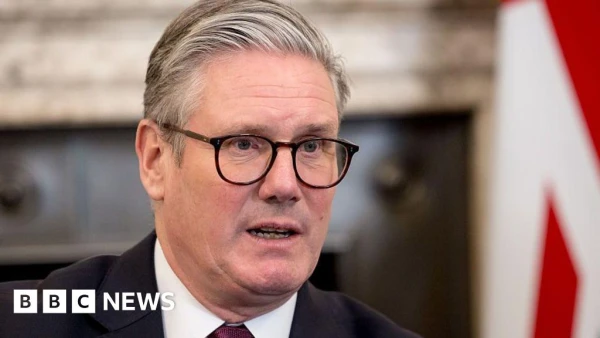
Prime Minister Keir Starmer has summoned top executives from the world's largest social media platforms to Downing Street for an urgent meeting about children's online safety.
Executives from Meta, Snap, YouTube, TikTok, and X are expected to face questioning from Starmer and Technology Secretary Liz Kendall on Thursday. The meeting comes amid growing public pressure for tech companies to take more responsibility for protecting young users.
"The consequences of failing to act are stark," Starmer warned. "We owe it to parents, and to the next generation, to put children's safety first - because they won't forgive us if we don't."
The high-stakes meeting occurs midway through a government consultation on whether to ban social media for children under 16, following Australia's implementation of similar restrictions. While some companies have implemented basic protections like disabling autoplay for children by default, critics argue these measures fall short of addressing fundamental safety concerns.
This gathering follows Wednesday's parliamentary vote where MPs rejected calls for an immediate under-16 social media ban. Instead, lawmakers granted ministers powers to introduce their own restrictions, sparking criticism from opposition parties.
Conservative shadow education secretary Laura Trott accused Labour of "failing parents and children," while Liberal Democrat education spokeswoman Munira Wilson declared that "the time for half-measures is over."
Research from the Molly Rose Foundation reveals troubling data from Australia, where more than 60% of underage children continue using social media despite the country's ban. The charity, established after 14-year-old Molly Russell took her own life following exposure to harmful content on Instagram, welcomed the meeting but cautioned against empty promises.
"Keir Starmer must turn his welcome rhetoric into action with a clear commitment to a new Online Safety Act," said Andy Burrows, the foundation's chief executive.
Academic experts emphasize that addressing the issue requires more than surface-level changes. Professor Amy Orben, a digital mental health expert at Cambridge University, noted that "social media companies' increasingly powerful algorithms have caused concern across the population, with young people and parents telling us that they experience struggles to disengage from the online world."
The government's national consultation, which also examines potential age restrictions on gaming sites and AI chatbots, has already received over 45,000 responses and will close on May 26. As the debate intensifies, Thursday's meeting represents a critical moment in determining whether voluntary industry measures will suffice or whether stronger regulatory action will follow.