On May 7, millions of voters across Great Britain will head to the polls to cast their ballots in a major series of local and national elections. From deciding the composition of the Scottish and Welsh parliaments to electing local council members and mayors in England, the political landscape is set for a significant shake-up.
Voters are encouraged to verify the specific elections taking place in their local areas using digital postcode search tools before heading to the ballot box.

The Battle for the Scottish Parliament
In Scotland, the stakes are high as all 129 seats in the Scottish Parliament are up for election. Currently, the Scottish National Party (SNP), headed by First Minister John Swinney, remains the largest political force. During the last vote in 2021, the SNP narrowly missed securing an outright majority by a single seat.
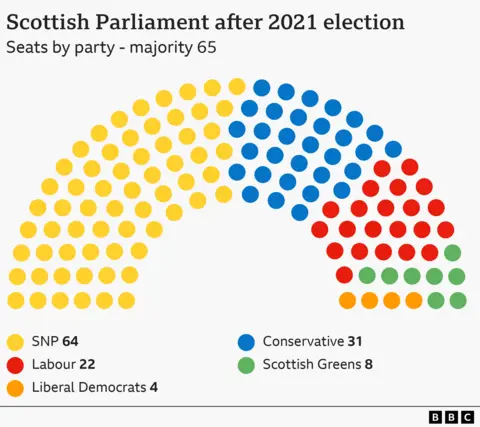
Voters will navigate a mixed electoral system, shaped by recent boundary changes that have altered the names and geographical outlines of some areas. A first-past-the-post method will determine the winners in 73 constituencies, where the candidate securing the most votes claims victory. Meanwhile, the remaining 56 Members of the Scottish Parliament (MSPs) are chosen across eight regions—each electing seven representatives—using proportional representation.
A New Era for the Welsh Parliament
The upcoming election marks a historic shift for Wales, as its parliament expands significantly from 60 to 96 seats. Alongside this expansion, a brand-new electoral framework is debuting.
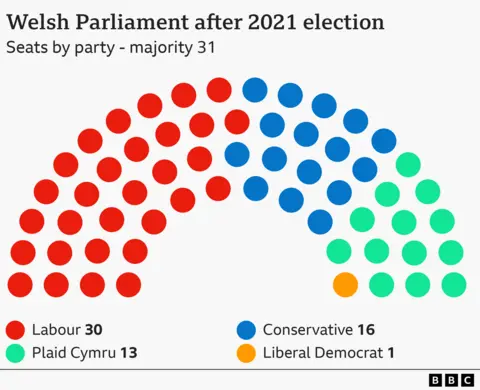
The traditional electoral boundaries and regions have been scrapped in favor of 16 newly minted constituencies. Under a proportional representation system, each of these new districts will elect six members. As they head into the polls, the Labour Party will be looking to defend its strong position, having captured half of the available seats during the 2021 elections.
English Councils and Mayoral Races
Across England, a massive local democratic exercise will unfold, with over 5,000 council seats up for grabs spanning 136 distinct councils. Candidates are fiercely campaigning for spots on district, metropolitan, unitary, and county councils.
Every London borough will hold elections, while further afield, voters in the North West, West Midlands, and various other regions will also cast their ballots. Additionally, six key county councils are facing elections—three located in the South East and three in East Anglia.
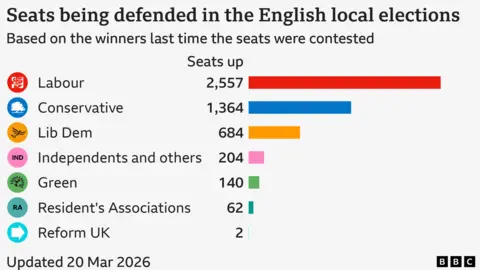
Labour enters the fray defending the lion's share of territory with over 2,500 seats. The Conservatives are looking to hold more than 1,300 seats, while the Liberal Democrats are defending just under 700. Most of these specific seats were last up for election in 2022, a time before Reform UK had emerged as a widespread electoral challenger.

Mayoral contests will also draw significant attention, with six council mayors facing the electorate—one in Watford and five across London.

As May 7 approaches, political parties are gearing up for a crucial test of public opinion that could set the tone for the nation's political future.