
"Yes. The end." That was the blunt response from a seasoned female government insider when asked if politics remains an exclusive fraternity.
Despite a record number of women sitting on the green benches and climbing the ranks of Whitehall, true power—the kind wielded behind closed doors—often remains out of reach. Presence does not guarantee influence.
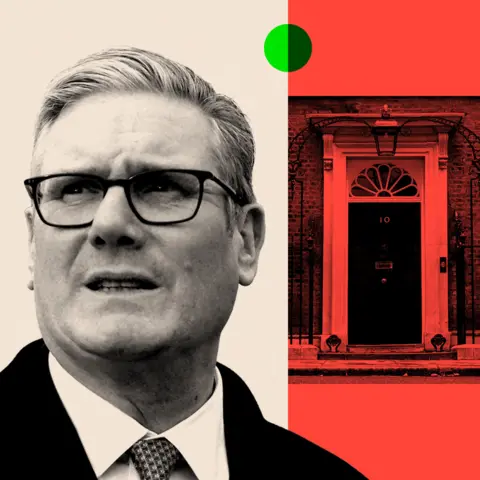
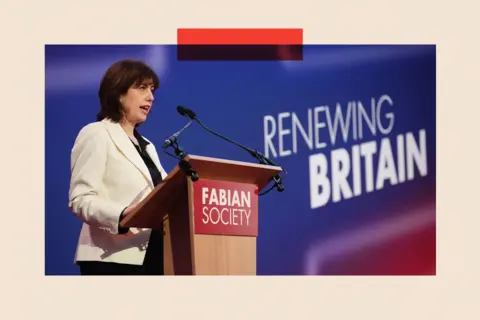
Recently, Prime Minister Sir Keir Starmer has seen a high-profile exodus of male executives, including his chief of staff, head of communications, and the civil service boss. Several of these voids have been filled by women. Yet, this reshuffle comes amidst explosive remarks from Culture Secretary Lisa Nandy, who openly accused Labour of functioning like a "boys' club" and claimed internal leaks were "dripping with misogyny."
Dismissing a top-tier cabinet minister's assertion that a male clique wields disproportionate power—and employs misogynistic tactics—would be a mistake. How detrimental is this dynamic to Starmer's administration? According to one minister, the damage is "massive."
It has been a century since Nancy Astor, the first female MP to take her seat, had to cross the street to the Ritz just to use a restroom because Parliament lacked one. Fast forward to 2024, and Chancellor Rachel Reeves moved into her Treasury office only to find a urinal in her private bathroom. The architectural remnants of male dominance parallel the political ones.
One former Labour minister suggests this frat-house culture is uniquely challenging for Starmer. Because he lacks deeply ingrained political instincts, he allegedly defaults to his existing inner circle—predominantly men. This reliance blinds him to the inherent flaws of such a homogenous network.
Westminster insiders have openly mocked this dynamic, referencing a "network of Matts," the "boys in blue suits," or "the ladz"—a faction heavily devoted to the recently departed chief of staff, Morgan McSweeney.
Defenders of the Prime Minister, however, point to the formidable women occupying top roles, including Chancellor Rachel Reeves, Home Secretary Shabana Mahmood, Foreign Secretary Yvette Cooper, and Labour Party General Secretary Hollie Ridley.
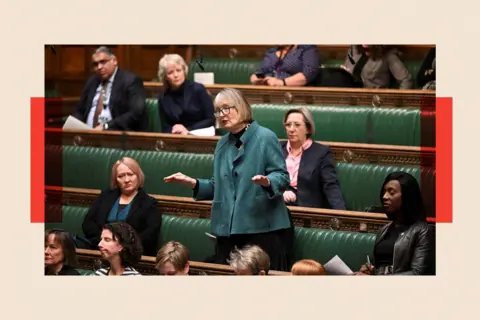
One loyalist called the "boys' club" label "totally unfair on all the brilliant women" serving the government, while another prominent figure admitted to "boiling with rage" over the allegations.
Still, reports persist that Downing Street gatekeepers have routinely blocked senior female ministers from securing vital one-on-one time with the Prime Minister.
Optimists hope the tide is turning, especially with the recent appointment of a female political director and an interim female chief of staff. Following intense backlash over controversial appointments—namely Peter Mandelson and Matthew Doyle—some within Labour believe the era of the boys' club has been forcefully concluded.
"It probably doesn't exist anymore," one cabinet minister observed, noting the departure of key architects of that toxic culture.
However, others argue that "boys' club" was merely a polite euphemism for extreme factionalism.
"Not only is there a boys' club, but the most important thing is that there are all these cliques and all these factions that just don't talk to each other," a veteran Labour politician explained. This echo-chamber mentality is widely blamed for the government's recent unforced errors.

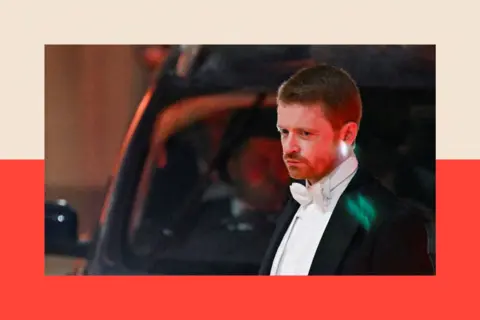
Critics argue Starmer surrounded himself with an insular, hardline faction championed by McSweeney, actively ignoring diverse perspectives.
"It means you're not getting the best people if you exclude anyone, for any reason," a Whitehall insider noted. "It's not woke, it's just making sure you get the best people when it comes to the government."
Now, there is a concerted effort by senior figures to force the Prime Minister's ear. From Ed Miliband pushing a class-based agenda to Angela Rayner advocating for hospitality, voices are clamoring for attention. Nandy's spotlight on government turmoil and misogyny is part of this broader push.
Yet, female Labour figures are warning leadership not to dismiss claims of sexism as mere factional infighting.
"It's not good enough to just say it's because people oppose Keir or Morgan's agenda," a senior politician argued. "That gives them an excuse to not do anything and that would be hopeless."
The demands are crystallizing: calls are growing for a dedicated inquiry into the late Mohammed Al Fayed's behavior, alongside a push to appoint a woman as the first secretary of state.
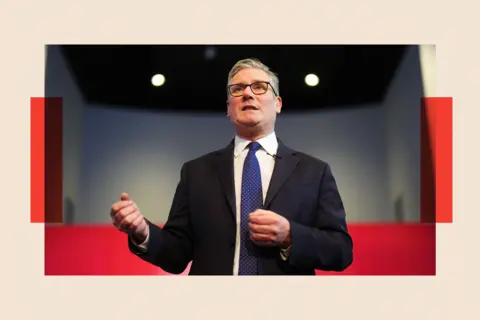
Skeptics remain, citing years of futile attempts to coax the leadership out of its bubble.
"We would say, 'Why don't you engage with women? Why wouldn't you engage with backbenchers?' They just looked utterly baffled," one source recalled.
Does Westminster at large still suffer from a systemic gender bias? Unquestionably, inappropriate behavior and late-night drinking cultures continue to blur professional boundaries. A former cabinet minister conceded that junior staff—both male and female—can still easily end up in deeply "uncomfortable situations."
While the overarching environment has vastly improved over recent decades, the political machine remains undeniably calibrated for men.
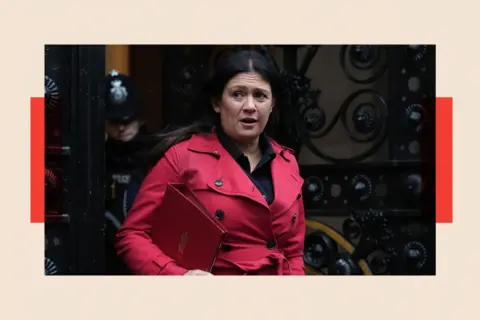
Consider the revealing anecdote of a male frontbencher who casually ordered a senior female adviser to fetch him a coffee before a cabinet meeting. She sharply advised him to get it himself. Minutes later, his embarrassment was absolute when the Prime Minister formally called upon that exact same woman to address the room.