US Army Seeks FAA Approval to Resume DC Helicopter Training After Deadly Crash
Washington, D.C. — Two years after a catastrophic midair collision claimed 67 lives, the U.S. Army is pushing to restart helicopter training flights in the restricted airspace near Ronald Reagan Washington National Airport (DCA), despite regulatory hurdles and fierce opposition from aviation labor groups.
A Timeline of Tragedy and Response
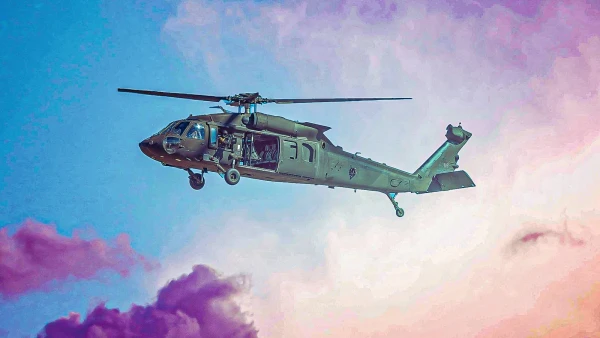
The Army’s proposal to resume training operations as early as December 6 comes after a 2025 investigation into the January 29 collision between an Army Sikorsky UH-60 Black Hawk and a PSA Airlines regional jet operating as American Airlines Flight 5342. The crash over the Potomac River killed all 67 people aboard both aircraft, prompting an immediate halt to military training flights in the corridor.
“It is a very dangerous place for both commercial and non-commercial aircraft alike.” — National Transportation Safety Board (NTSB) report, February 2025
The NTSB’s investigation revealed a confluence of operational, technical, and airspace vulnerabilities, including tight vertical margins near low-altitude river routes, radio frequency congestion, and altimeter discrepancies. The board issued 50 safety recommendations, eight of which were directed at the Army, and highlighted the potential for an Automatic Dependent Surveillance-Broadcast (ADS-B) system to have alerted the airliner crew 59 seconds before impact.
Regulatory Roadblocks
The Army’s plan faces significant regulatory barriers. A January 2026 FAA interim rule permanently closed Helicopter Route 4 between Hains Point and the Wilson Bridge, restricting access to the designated Potomac zone up to 1,500 feet (457 meters) mean sea level. The rule permits only essential flights—such as lifesaving medical missions, law enforcement operations, national defense, or presidential transport—to enter the airspace.
“Proficency evaluations, routine training, and non-essential personnel transport do not qualify as essential operations under current regulations.”
To resume training, the Army must either secure a regulatory modification or an approved authorization pathway. The FAA opened public comment on the interim rule through February 23, 2026, with a final rule expected after reviewing submissions. The rule also eliminates visual separation within five nautical miles (9.3 km) of the airport and increases staffing and oversight requirements.
Political and Labor Pushback
The Army’s push for a December restart has drawn sharp criticism from aviation labor unions and lawmakers. Sara Nelson, president of the Association of Flight Attendants, condemned the plan, stating that the airspace remains too dangerous for routine military training so soon after the tragedy.
Meanwhile, Congress is divided over final statutory mandates governing shared airspace. The Rotor Operations Transparency and Oversight Reform Act, which passed the Senate unanimously in December 2025, stalled in the House but reached an agreement in principle in mid-November 2026. Negotiations involving the House Armed Services Committee aim to reconcile competing bills before the end of the year, with unresolved details over military aircraft equipment requirements drawing scrutiny from safety advocates and victim families.
Safety Measures and Future Steps
In response to the NTSB’s findings, the Army conducted fleet inspections, tested altimeters across Black Hawk variants, and reviewed crew separation procedures. These measures reflect a broader effort to pair airframe checks with stricter altitude discipline in congested metropolitan corridors.
However, the path forward remains uncertain. The Army has not yet filed a formal request with the FAA, and military officials have only briefed congressional staff on their plans. With public comment periods closed and final rules pending, the Army’s timeline for resuming training hinges on regulatory approval—and the political will to override opposition.