WASHINGTON — Inflation in the United States accelerated sharply in March, driven by surging energy prices linked to ongoing military conflict in the Middle East, according to government data released Friday.
The Consumer Price Index rose to 3.3% year-over-year, up from 2.4% in February, marking the highest level in nearly two years. The spike places additional economic pressure on the Trump administration ahead of midterm elections this November.
Gasoline prices surged by 21.2% between February and March — the largest monthly increase since the government began tracking the index in 1967, the Bureau of Labor Statistics reported.
The price surge follows military actions by the United States and Israel against Iran that began in late February. In retaliation, Tehran has disrupted traffic through the Strait of Hormuz, a critical passageway for approximately one-fifth of global oil and gas shipments.
Despite being the world's top crude oil producer, the U.S. has felt immediate effects at the pump. The average price for a gallon of regular gasoline has climbed to about $4.15, up from roughly $3 before the conflict began.
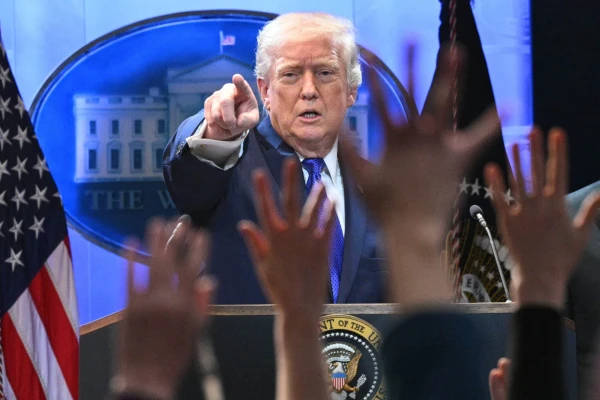
White House officials have sought to project economic stability, with spokesperson Kush Desai stating the economy "remains on a solid trajectory." Economic advisor Kevin Hassett pointed to declining prices in some consumer categories, including eggs and beef, as positive indicators.
However, economists warn that households should brace for continued financial strain.
"This is only the beginning. Food prices, travel and shipping costs are all going up in April and will exacerbate the pain," said Heather Long, chief economist at Navy Federal Credit Union.
Christopher Low of FHN Financial noted that while the inflation data matched expectations, the ongoing disruption in the Strait of Hormuz suggests further pressure. "There's still very little traffic through the Strait," he said.
Some analysts estimate the oil price surge could cost each U.S. household at least $350 annually. Consumer sentiment has already fallen by 11% this month, according to a University of Michigan survey.
The economic turbulence comes as Vice President JD Vance travels to Pakistan for U.S.-Iran peace talks this weekend, aiming to de-escalate the conflict that has reverberated through global energy markets and American wallets.