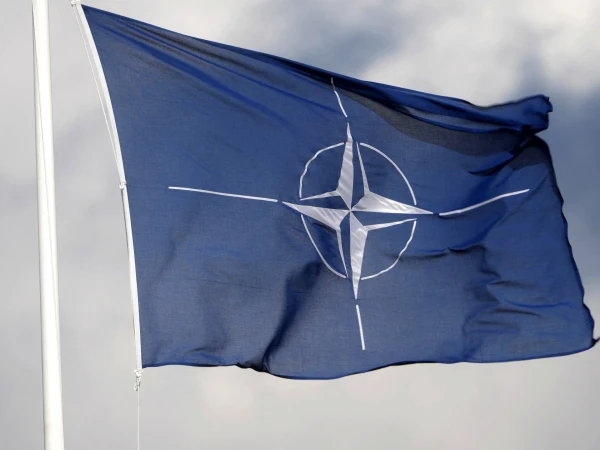
The future of America's role in the North Atlantic Treaty Organization has emerged as a critical foreign policy question, with political debates intensifying over whether the United States might consider withdrawing from the alliance it helped establish in 1949.
"This isn't just a theoretical discussion anymore," noted one European security analyst. "We're seeing fundamental questions about alliance commitments that would have been unthinkable a decade ago."
While no formal withdrawal process has been initiated, the mere possibility has triggered significant diplomatic concern among NATO's 31 other member nations. The alliance, founded as a collective defense pact against Soviet expansion, has evolved to address modern security challenges including cyber threats, terrorism, and regional conflicts.
Legal experts point to Article 13 of the NATO treaty, which allows any member to leave after giving one year's notice. However, the practical implications would be complex, potentially affecting everything from intelligence sharing to military coordination that has been built over seven decades.
European capitals are reportedly preparing contingency plans while publicly expressing confidence in continued U.S. engagement. The discussion comes amid broader debates about burden-sharing within the alliance and evolving global security priorities.